

September 1, 2026
Signs of Nursing Home Neglect in Texas: What Families Should Watch For
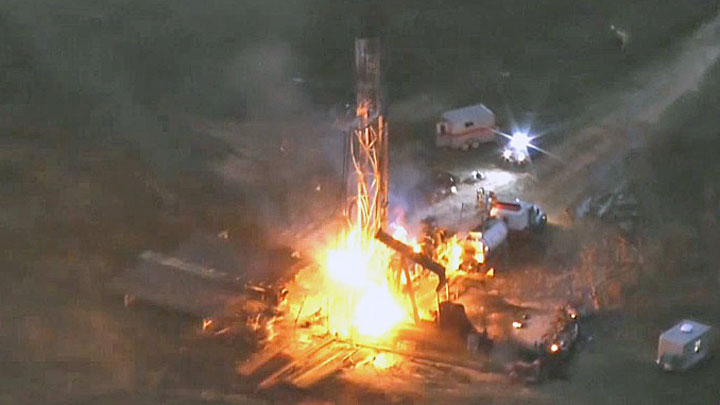
U.S. oil production has experienced explosive growth over the past decade,
largely due to drilling in the Permian Basin. Although the growth of crude oil
production in the U.S. has had a stabilizing influence on the world’s oil
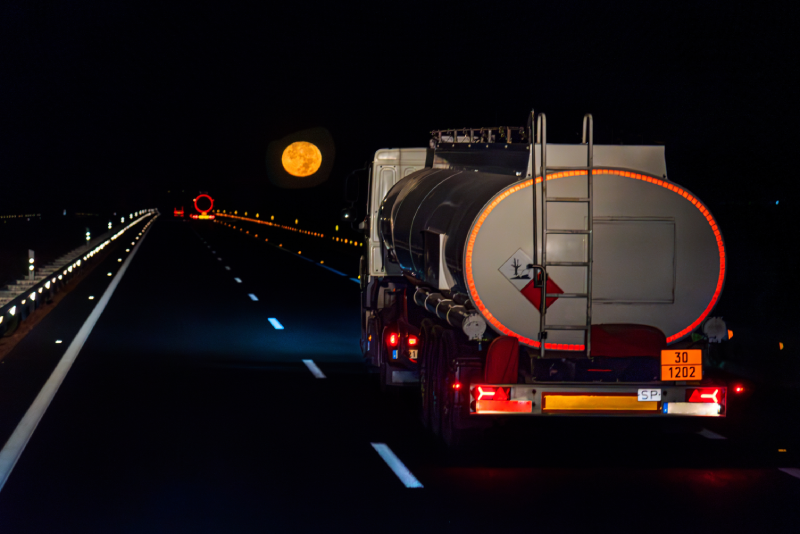
markets, it has also created risks associated with tanker trucks for people traveling on smaller highways in rural New Mexico and Texas
communities. Traffic is congested and accidents occur more frequently on routes
to and from the Permian Basin.
By the end of 2018, thanks to hydraulic fracturing, the Permian Basin was
producing 3.8 million barrels of oil per day. All this drilling means
significantly increased transportation needs. Equipment and materials must be
transported to the well sites. Personnel must be transported to and from well
sites, which are often located in remote areas. Vehicles are used to move
equipment and materials at the well sites. Last but not least, commercial tanker
trucks are used to haul away fracking water, oil, and gas.
Highway vehicle crashes are the leading cause of worker death in the oil and gas
extraction industries, as reported by OSHA. Tanker truck and highway vehicle incidents claim the lives of approximately
four out of every ten oil and gas workers killed on the job. It is not only oil
workers who are killed and injured in Permian Basin transportation accidents.
Traffic accidents and fatalities have increased overall. In fact, Route 285, has
been named “Death Highway” by locals. This is one of the main roads used to
carry equipment and supplies to and from West Texas oilfields. It runs through
Pecos, Texas and Carlsbad, New Mexico, and is considered by some to be the
deadliest highway in the U.S. In a recent year, 93 people died in truck
accidents on the Texas side only of the Permian Basin, as reported by The Dallas Morning News.
There are many factors contributing to the risks oil workers and other motorists
are facing on highways in the Permian Basin. One factor is older highways not
originally designed for the volume of traffic they are now supporting. Truck
drivers may hit sinkholes several feet wide. Other contributing factors include:
If you have been hurt in a truck accident in Texas or New Mexico, contact the
Sorey Law Firm P.L.L.C. at (903) 230-5600. Our experienced truck accident
lawyers are dedicated advocates for the injured.