

Patent Litigation
115000000
Successful outcome in a complex biotech patent infringement case
Patent Litigation
✨ Summarize
Waiting for action...
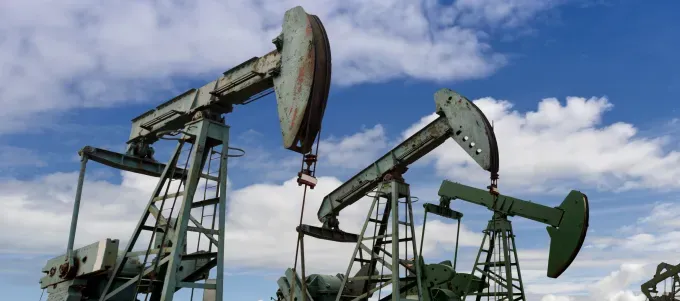
Oil rig and oilfield explosions are among the most devastating workplace disasters in Texas. In seconds, a worker can suffer catastrophic burns, traumatic brain injuries, spinal cord damage, amputations, toxic exposure, or fatal injuries.
Sorey & Hoover, LLP represents seriously injured workers and families after oil rig explosions, oilfield explosions, blowouts, gas explosions, and other catastrophic energy-site incidents. These are high-stakes cases involving complex facts, multiple companies, and aggressive defense teams.
An explosion rarely happens without warning signs. Many disasters trace back to preventable safety failures, ignored hazards, poor communication, defective equipment, or pressure to keep production moving despite known risks.
Defective valves, blowout preventers, pumps, gauges, electrical systems, pressure controls, and other equipment can create dangerous conditions. Manufacturers, maintenance companies, and operators may share responsibility.
Uncontrolled releases of gas, pressure, or drilling fluids can create a highly combustible environment. When ignition occurs, workers may have little time to escape.
Oilfield work requires strict safety planning, lockout procedures, hazard communication, and emergency response. Skipping steps to save time can put everyone on site at risk.
Workers need proper training for dangerous tasks. When companies place inexperienced or poorly supervised workers in high-risk roles, mistakes can become deadly.
Safety rules exist because oil and gas work is inherently dangerous. Violations may show that a company placed production ahead of worker safety.
Oilfield explosion injuries are often severe, permanent, and expensive. A claim should be evaluated based on lifetime impact, not just the initial hospital bill.
Burn victims may need emergency care, skin grafting, surgeries, infection treatment, rehabilitation, and long-term pain management. Scarring and disfigurement can affect every part of life.
Blast force, falls, flying debris, and oxygen deprivation can cause brain injuries that affect memory, speech, mood, personality, balance, and the ability to work.
Explosions can throw workers, collapse structures, or cause heavy equipment impacts. Spinal injuries may lead to paralysis, chronic pain, and lifelong care needs.
When a worker is killed, surviving family members may have a wrongful death claim for financial and emotional losses. Families deserve answers about why the disaster happened.
Liability depends on who controlled the worksite, who created the hazard, who supplied defective equipment, and who failed to follow safety duties. Workers’ compensation may not be the only option.
Operators may be responsible for unsafe site conditions, poor emergency planning, inadequate supervision, or decisions that increased the risk of an explosion.
Contractors and subcontractors may be liable when their employees, equipment, procedures, or safety failures contribute to the disaster.
Manufacturers may be responsible if defective equipment, warnings, or design choices helped cause the explosion or worsened the injuries.
Maintenance companies, transportation providers, inspection contractors, and other third parties may also be part of the liability picture.
A strong oil rig explosion case begins with a focused investigation. Our attorneys work to understand the scene, the decisions that created the danger, the records that document what happened, and the full impact on the injured person or family.
Important evidence can disappear quickly. Photographs, video footage, incident reports, witness names, maintenance records, medical records, staffing records, and company documents may all matter. We work to identify and preserve the evidence needed to prove liability and damages.
Serious injury cases often involve more than one responsible person or company. We look at property owners, employers, contractors, operators, manufacturers, corporate owners, insurers, and other parties whose choices may have contributed to the harm.
Insurance companies evaluate how well a case is prepared. When a claim is supported by evidence, expert analysis, and a clear damages presentation, the injured person is in a stronger position. If a fair resolution is not offered, litigation may be necessary.
People facing an oil rig explosion case often have immediate practical questions. The answers depend on the facts, but the following issues come up often during the first conversation with our team.
Some workers may have third-party claims against companies other than their direct employer. These claims can be important in serious injury and wrongful death cases.
Site photographs, maintenance records, safety policies, witness statements, equipment inspections, incident reports, and expert analysis may all help prove what caused the explosion.
Companies and insurers often begin investigating immediately. Early legal involvement helps preserve evidence and prevents important facts from being lost.
If you or someone you love was harmed and you believe negligence played a role, do not wait to ask for help. The earlier an attorney is involved, the easier it may be to preserve evidence, understand the available claims, and prevent insurers or defendants from controlling the narrative.
A consultation with Sorey & Hoover, LLP is free. When you call, we can listen to what happened, explain the information that may matter, and help you decide whether a claim should be investigated. You do not have to know every legal answer before reaching out. The purpose of the first conversation is to help you understand whether the facts suggest negligence, who may be responsible, and what steps can protect your family moving forward.
Call (903) 230-5600 today to speak with a member of our team about your Texas oil rig explosion case.