

Patent Litigation
115000000
Successful outcome in a complex biotech patent infringement case
Patent Litigation
✨ Summarize
Waiting for action...
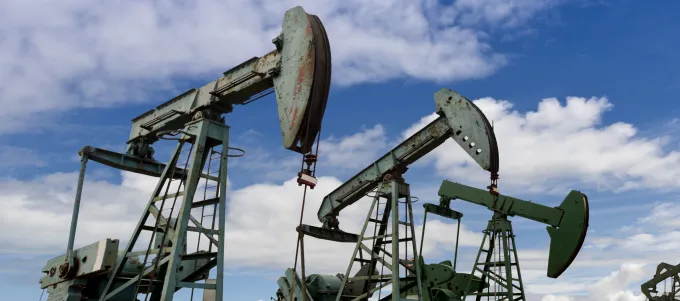
Long hours and hazardous working conditions can result in accidents that lead to serious injuries and death. This is especially true in the oil and gas field. Although these jobs are essential to our economy, they can also be dangerous for workers and for others around them. Not only do they create dangerous situations in the field, but oil field vehicles often have to move from one site to another, which means they are on the road around other vehicles.
Our Longview injury lawyers are committed to pursuing justice and compensation on behalf of those who have suffered injuries in serious accidents. We know that these types of injuries can be catastrophic and life-altering, and we are committed to providing loyal and compassionate representation. Our team works hard to show that the other party was at fault and ensure that you do not have to bear the weight of another party’s negligence.
If you have been hurt in an oil or gas field accident, turn to Sorey & Hoover, LLP. Call us now at (903) 230-5600 for a free consultation.
Oil and gas field work is physically demanding, highly technical, and inherently dangerous. Workers may be exposed to heavy equipment, high-pressure systems, flammable materials, toxic substances, long shifts, remote worksites, and commercial vehicle traffic. When companies fail to provide proper training, maintain equipment, follow safety procedures, or supervise jobsite activity, workers and nearby motorists can suffer devastating injuries.
A serious oilfield accident can leave you facing emergency medical treatment, missed work, long-term disability, pain, and uncertainty about your future. In fatal cases, families may be left with grief, financial stress, and unanswered questions about what went wrong. A Longview oil and gas field accident attorney can help investigate the accident, identify who may be responsible, and pursue compensation from the parties whose negligence contributed to the harm.
Oil and gas field accidents can occur as a result of many factors. Some accidents happen because of sudden equipment failure, while others are the result of unsafe procedures, inadequate supervision, or preventable human error. Determining the cause is one of the most important parts of building a strong injury claim.
Oilfield workers must be trained to recognize hazards, use equipment correctly, respond to emergencies, and follow site-specific safety rules. When companies fail to train workers properly, dangerous mistakes become more likely, especially during high-risk operations involving pressure, heat, chemicals, machinery, or heavy loads.
Defective drilling equipment, pressure systems, pumps, valves, vehicles, tools, protective gear, and machinery can cause severe injuries. If a piece of equipment was defectively designed, poorly manufactured, or sold without adequate warnings, an equipment manufacturer or distributor may be responsible.
Oil and gas field equipment must be inspected, repaired, and maintained on a regular basis. Poor maintenance can lead to brake failures, machinery breakdowns, leaks, fires, blowouts, and other dangerous events. Maintenance records can be critical evidence in these cases.
Machinery malfunctions can cause workers to be crushed, struck, burned, trapped, or thrown. These incidents may involve drilling equipment, forklifts, cranes, winches, trucks, compressors, pumps, or other industrial machinery used on the jobsite.
Oil and gas workers may be exposed to hazardous chemicals, fumes, gases, and other toxic substances. Exposure can cause burns, respiratory injuries, neurological symptoms, poisoning, long-term illness, or death. Employers and site operators must take reasonable steps to warn workers, provide protective equipment, and control dangerous exposure risks.
Oilfield injury claims can involve many different accident types. Some happen on drilling sites, while others occur during transportation, maintenance, production, or support operations.
Explosions and fires are among the most catastrophic oil and gas field accidents. Gas leaks, ignition sources, pressure failures, electrical problems, and unsafe hot work can create deadly conditions. Workers may suffer severe burns, smoke inhalation, traumatic injuries, or fatal harm.
A blowout can occur when pressure is not properly controlled during drilling or production operations. These incidents may involve gas releases, fires, explosions, and uncontrolled flow from a well. Blowout cases often require detailed technical investigation.
Oilfield work often requires trucks, tankers, company vehicles, and heavy equipment to move between job sites. These vehicles may travel on highways, rural roads, lease roads, and industrial sites. Fatigued drivers, overloaded vehicles, poor maintenance, and unsafe scheduling can all contribute to serious crashes.
Workers may fall from elevated platforms, be struck by tools or materials, or become caught between machinery, vehicles, pipes, or equipment. These accidents can cause broken bones, amputations, crush injuries, spinal damage, and traumatic brain injuries.
Oil and gas operations may also involve pipelines, processing facilities, compressor stations, and other industrial sites. Accidents in these environments can involve leaks, explosions, fires, chemical exposure, machinery failures, and unsafe maintenance work.
Oil and gas field accidents often cause injuries that are far more severe than ordinary workplace injuries. These cases may involve long hospital stays, multiple surgeries, rehabilitation, permanent impairment, or a complete inability to return to work.
Common injuries may include:
These injuries can affect every part of your life. You may be unable to work, support your family, drive, sleep, move comfortably, or return to the job you once had. A serious oilfield accident claim should account for both immediate losses and long-term consequences.
Many oil and gas field accident victims assume workers’ compensation is their only option. In some cases, workers’ compensation may provide medical coverage and partial wage replacement. However, these benefits may not fully compensate you for the total impact of a catastrophic injury.
A third-party personal injury claim may be available when someone other than your direct employer caused or contributed to the accident. These claims can be especially important in oilfield cases because multiple companies often operate on the same site.
Oil and gas field operations often involve operators, contractors, subcontractors, maintenance companies, trucking companies, equipment manufacturers, landowners, and other third parties. Determining who is responsible requires a careful investigation into the accident and the relationships between the companies involved.
An operator may be responsible for overall site safety, coordination, emergency planning, and hazard communication. If the operator failed to maintain safe conditions or ignored known risks, it may be liable for resulting injuries.
Contractors and subcontractors may be liable when their employees, equipment, or unsafe procedures cause an accident. This may include drilling contractors, service companies, transportation providers, maintenance crews, or industrial support companies.
If defective machinery, vehicles, valves, pressure systems, tools, or safety equipment caused the accident, the manufacturer may be responsible through a product liability claim.
Maintenance companies may be liable when poor inspections, incomplete repairs, or careless service work caused equipment to fail or become unsafe.
Oilfield transportation is a major part of the industry. If a truck driver, trucking company, or vehicle maintenance provider caused a crash, they may be responsible for injuries to workers, motorists, or passengers.
After an oil or gas field accident, your first priority should be medical care and safety. Once immediate dangers are addressed, there are a few steps you can take to help protect your legal claim.
First, you should seek medical treatment immediately. Even if you believe your injuries are manageable, get medical treatment as soon as possible. Some serious injuries, including brain trauma, internal injuries, lung damage, and chemical exposure symptoms, may not be fully obvious right away.
You should also report the accident to your supervisor, employer, site manager, or other appropriate person. Ask that an incident report be created and request a copy if possible.
If you can do so safely, take photos or videos of the accident scene, equipment involved, vehicles, unsafe conditions, warning signs, and visible injuries. If you are unable to document the scene yourself, ask a trusted coworker or family member for help.
The compensation available after an oilfield accident depends on the type of claim, the severity of the injury, and who is legally responsible. Workers’ compensation may provide limited benefits, while a third-party claim may allow recovery for broader damages.
Potential compensation may include:
Because oil and gas accident cases may involve multiple companies and insurance policies, it is important to have an attorney review every possible source of recovery.
If you were recently injured in an oil or gas field accident in Longview, Gregg County, or elsewhere, you do not have to handle the aftermath alone. The legal team at Sorey & Hoover, LLP can help you understand whether workers’ compensation, a third-party claim, or another legal option may be available.
Schedule a free consultation with our experienced personal injury attorneys in Longview and Gregg County when you contact us at (903) 230-5600. We are ready to help you pursue the compensation you may be owed.