
Patent Litigation
115000000
Successful outcome in a complex biotech patent infringement case
Patent Litigation
✨ Summarize
Waiting for action...

Nursing homes are responsible for protecting residents who may be elderly, medically fragile, cognitively impaired, or unable to defend themselves. When a facility fails to provide safe care, residents can suffer broken bones, pressure sores, infections, malnutrition, dehydration, medication injuries, emotional trauma, financial losses, and even death.
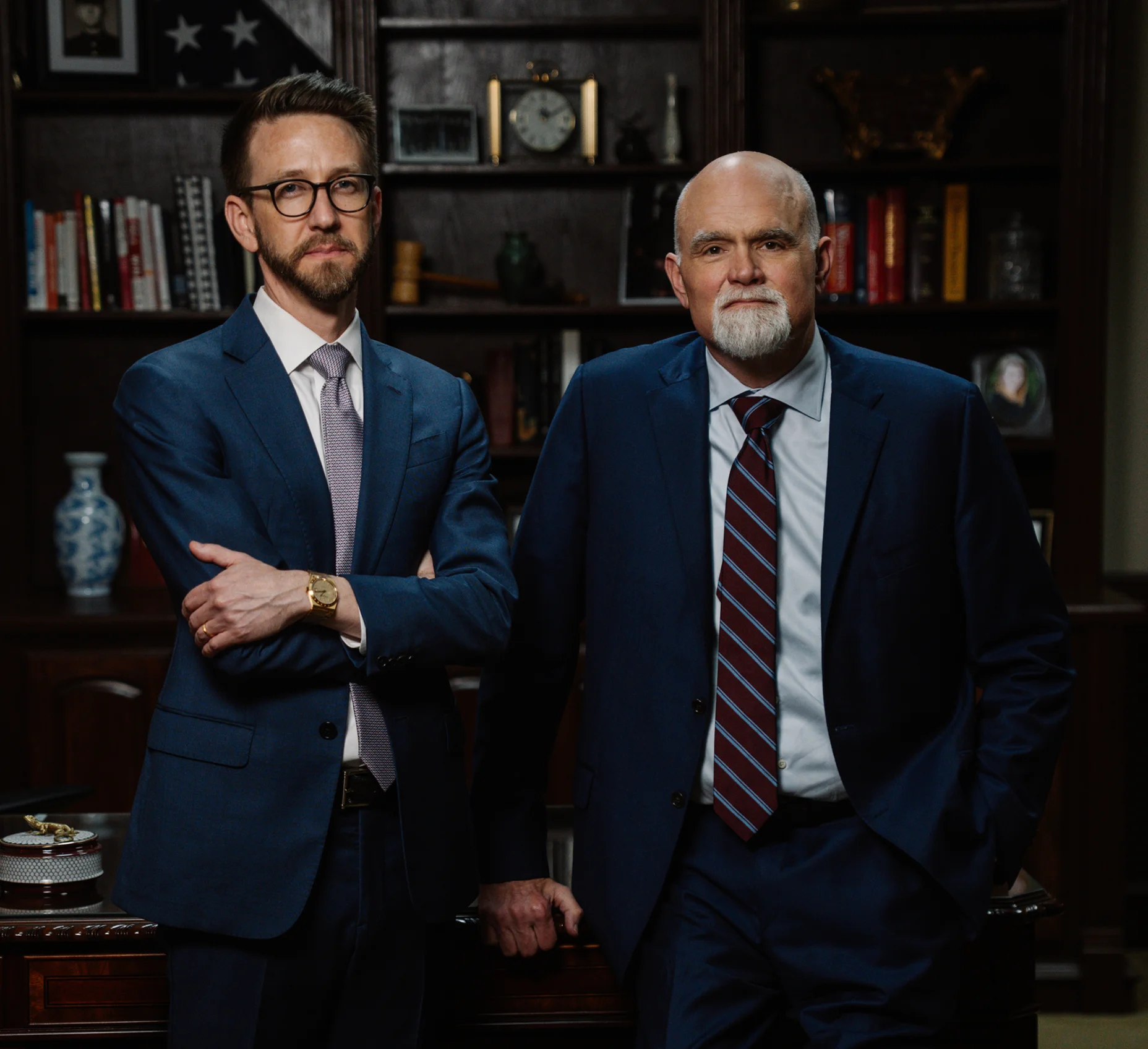
Sorey & Hoover, LLP represents families in Louisiana nursing home abuse and neglect cases. We help clients investigate what happened, determine whether the facility violated care standards, and pursue accountability for harm that should have been prevented.
Families often contact our firm after receiving incomplete explanations from a facility. We know how to investigate medical records, staffing patterns, incident reports, and facility conduct to determine whether neglect or abuse caused the resident’s injury.
Nursing home negligence occurs when a facility, employee, contractor, or corporate operator fails to act with reasonable care and that failure harms a resident. Louisiana cases may involve state care standards, federal regulations, facility policies, expert testimony, and detailed medical proof.
Negligence may include understaffing, poor training, failure to supervise residents, missed medication, ignoring fall risks, failure to prevent or treat bedsores, poor infection control, unsafe transfers, inadequate nutrition, or delayed emergency care.
Louisiana’s legal system has unique civil law traditions. Families should work with lawyers who understand that liability, damages, evidence, and deadlines must be evaluated according to the applicable law and the specific facts of the case.
Nursing home abuse may be obvious, hidden, or disguised as a normal part of aging. Families should trust their instincts when a loved one’s condition changes suddenly or when staff members avoid questions.
Physical abuse may involve hitting, pushing, rough handling, unnecessary restraint, or injuries staff cannot reasonably explain.
Threats, insults, isolation, intimidation, ridicule, and humiliation can cause fear, depression, anxiety, and withdrawal.
Medical negligence in a nursing home may involve medication errors, untreated infections, failure to monitor chronic conditions, or ignoring signs of decline.
Neglect may appear as weight loss, dehydration, poor hygiene, dirty bedding, repeated falls, skin breakdown, and lack of help with meals or toileting.
Theft, unauthorized withdrawals, coerced transfers, missing valuables, or suspicious document changes may indicate exploitation.
Bedsores are among the clearest warning signs that a resident may not be receiving appropriate care. These wounds can become severe, painful, infected, and life-threatening when staff fail to prevent or treat them.
Bedsores, also called pressure sores or pressure injuries, develop when prolonged pressure reduces blood flow to the skin. Residents with limited mobility are especially vulnerable.
Facilities should assess risk, reposition residents, keep skin clean and dry, provide nutrition, and treat wounds quickly. Failure to do so may indicate neglect.
A nursing home may be liable when staff failed to prevent avoidable sores, ignored early warning signs, delayed treatment, or allowed a wound to worsen.
If your loved one is in immediate danger, call emergency services. Families can also report concerns to appropriate agencies and facility administrators. Reporting may protect the resident while a civil claim addresses the harm already caused.
Keep notes of when you reported concerns, who you spoke with, and what information you provided. Documentation can become important later.
Complaint records, inspection findings, and citations may help show whether a facility had a history of similar problems.
Contact an attorney as soon as you suspect abuse or neglect. Delays can make it harder to preserve photographs, records, video, and witness memories.
A strong nursing home abuse case begins with a focused investigation. Our attorneys work to understand the scene, the decisions that created the danger, the records that document what happened, and the full impact on the injured person or family. We do not treat serious injury claims as paperwork exercises. We prepare them with the detail needed for negotiation, litigation, and trial if necessary.
Important evidence can disappear quickly. Photographs, video footage, incident reports, witness names, maintenance records, medical records, staffing records, and company documents may all matter. We work to identify and preserve the evidence needed to prove liability and damages.
Serious injury cases often involve more than one responsible person or company. We look at property owners, employers, contractors, operators, manufacturers, corporate owners, insurers, and other parties whose choices may have contributed to the harm.
Insurance companies evaluate how well a case is prepared. When a claim is supported by evidence, expert analysis, and a clear damages presentation, the injured person is in a stronger position. If a fair resolution is not offered, litigation may be necessary.
People facing a nursing home abuse case often have immediate practical questions. The answers depend on the facts, but the following issues come up often during the first conversation with our team.
Facilities may claim that falls, bedsores, infections, or decline were unavoidable because of age or medical history. That explanation should be tested against the records, care plan, staff response, and applicable care standards.
Safety comes first. If your loved one is in danger, seek medical help and consider a safer placement. An attorney can help preserve evidence whether the resident remains at the facility or has already moved.
Save photographs, incident reports, medical records, discharge paperwork, names of staff members, notes from phone calls, and any messages from the facility.
If you or someone you love was harmed and you believe negligence played a role, do not wait to ask for help. The earlier an attorney is involved, the easier it may be to preserve evidence, understand the available claims, and prevent insurers or defendants from controlling the narrative.
A consultation with Sorey & Hoover, LLP is free. When you call, we can listen to what happened, explain the information that may matter, and help you decide whether a claim should be investigated. You do not have to know every legal answer before reaching out. The purpose of the first conversation is to help you understand whether the facts suggest negligence, who may be responsible, and what steps can protect your family moving forward.
Call (903) 230-5600 today to speak with a member of our team about your Louisiana nursing home abuse case.