Board Certified


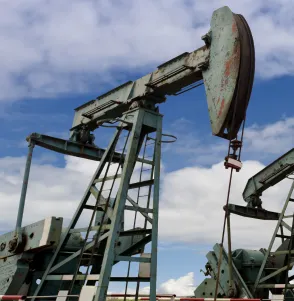
Long hours and hazardous working conditions can result in accidents that lead to serious injuries and death. This is especially true in the oil and gas field. Although these jobs are essential to our economy, they can also be dangerous for workers and for others around them. Not only do they create dangerous situations in the field, but oil field vehicles often have to move from one site to another, which means they are on the road around other vehicles.
Our Longview injury lawyers are committed to pursuing justice and compensation on behalf of those who have suffered injuries in serious accidents. We know that these types of injuries can be catastrophic and life-altering, and we are committed to providing loyal and compassionate representation. Our team works hard to show that the other party was at fault and ensure that you do not have to bear the weight of another party’s negligence.
If you have been hurt in an oil or gas field accident, turn to Sorey & Hoover, LLP. Call us now at (903) 230-5600 for a free consultation.
Oil and gas field work is physically demanding, highly technical, and inherently dangerous. Workers may be exposed to heavy equipment, high-pressure systems, flammable materials, toxic substances, long shifts, remote worksites, and commercial vehicle traffic. When companies fail to provide proper training, maintain equipment, follow safety procedures, or supervise jobsite activity, workers and nearby motorists can suffer devastating injuries.
A serious oilfield accident can leave you facing emergency medical treatment, missed work, long-term disability, pain, and uncertainty about your future. In fatal cases, families may be left with grief, financial stress, and unanswered questions about what went wrong. A Longview oil and gas field accident attorney can help investigate the accident, identify who may be responsible, and pursue compensation from the parties whose negligence contributed to the harm.
Oil and gas field accidents can occur as a result of many factors. Some accidents happen because of sudden equipment failure, while others are the result of unsafe procedures, inadequate supervision, or preventable human error. Determining the cause is one of the most important parts of building a strong injury claim.
Oilfield workers must be trained to recognize hazards, use equipment correctly, respond to emergencies, and follow site-specific safety rules. When companies fail to train workers properly, dangerous mistakes become more likely, especially during high-risk operations involving pressure, heat, chemicals, machinery, or heavy loads.
Defective drilling equipment, pressure systems, pumps, valves, vehicles, tools, protective gear, and machinery can cause severe injuries. If a piece of equipment was defectively designed, poorly manufactured, or sold without adequate warnings, an equipment manufacturer or distributor may be responsible.
Oil and gas field equipment must be inspected, repaired, and maintained on a regular basis. Poor maintenance can lead to brake failures, machinery breakdowns, leaks, fires, blowouts, and other dangerous events. Maintenance records can be critical evidence in these cases.
Machinery malfunctions can cause workers to be crushed, struck, burned, trapped, or thrown. These incidents may involve drilling equipment, forklifts, cranes, winches, trucks, compressors, pumps, or other industrial machinery used on the jobsite.
Oil and gas workers may be exposed to hazardous chemicals, fumes, gases, and other toxic substances. Exposure can cause burns, respiratory injuries, neurological symptoms, poisoning, long-term illness, or death. Employers and site operators must take reasonable steps to warn workers, provide protective equipment, and control dangerous exposure risks.
Oilfield injury claims can involve many different accident types. Some happen on drilling sites, while others occur during transportation, maintenance, production, or support operations.
Explosions and fires are among the most catastrophic oil and gas field accidents. Gas leaks, ignition sources, pressure failures, electrical problems, and unsafe hot work can create deadly conditions. Workers may suffer severe burns, smoke inhalation, traumatic injuries, or fatal harm.
A blowout can occur when pressure is not properly controlled during drilling or production operations. These incidents may involve gas releases, fires, explosions, and uncontrolled flow from a well. Blowout cases often require detailed technical investigation.
Oilfield work often requires trucks, tankers, company vehicles, and heavy equipment to move between job sites. These vehicles may travel on highways, rural roads, lease roads, and industrial sites. Fatigued drivers, overloaded vehicles, poor maintenance, and unsafe scheduling can all contribute to serious crashes.
Workers may fall from elevated platforms, be struck by tools or materials, or become caught between machinery, vehicles, pipes, or equipment. These accidents can cause broken bones, amputations, crush injuries, spinal damage, and traumatic brain injuries.
Oil and gas operations may also involve pipelines, processing facilities, compressor stations, and other industrial sites. Accidents in these environments can involve leaks, explosions, fires, chemical exposure, machinery failures, and unsafe maintenance work.
Oil and gas field accidents often cause injuries that are far more severe than ordinary workplace injuries. These cases may involve long hospital stays, multiple surgeries, rehabilitation, permanent impairment, or a complete inability to return to work.
Common injuries may include:
These injuries can affect every part of your life. You may be unable to work, support your family, drive, sleep, move comfortably, or return to the job you once had. A serious oilfield accident claim should account for both immediate losses and long-term consequences.
Many oil and gas field accident victims assume workers’ compensation is their only option. In some cases, workers’ compensation may provide medical coverage and partial wage replacement. However, these benefits may not fully compensate you for the total impact of a catastrophic injury.
A third-party personal injury claim may be available when someone other than your direct employer caused or contributed to the accident. These claims can be especially important in oilfield cases because multiple companies often operate on the same site.
Oil and gas field operations often involve operators, contractors, subcontractors, maintenance companies, trucking companies, equipment manufacturers, landowners, and other third parties. Determining who is responsible requires a careful investigation into the accident and the relationships between the companies involved.
An operator may be responsible for overall site safety, coordination, emergency planning, and hazard communication. If the operator failed to maintain safe conditions or ignored known risks, it may be liable for resulting injuries.
Contractors and subcontractors may be liable when their employees, equipment, or unsafe procedures cause an accident. This may include drilling contractors, service companies, transportation providers, maintenance crews, or industrial support companies.
If defective machinery, vehicles, valves, pressure systems, tools, or safety equipment caused the accident, the manufacturer may be responsible through a product liability claim.
Maintenance companies may be liable when poor inspections, incomplete repairs, or careless service work caused equipment to fail or become unsafe.
Oilfield transportation is a major part of the industry. If a truck driver, trucking company, or vehicle maintenance provider caused a crash, they may be responsible for injuries to workers, motorists, or passengers.
After an oil or gas field accident, your first priority should be medical care and safety. Once immediate dangers are addressed, there are a few steps you can take to help protect your legal claim.
First, you should seek medical treatment immediately. Even if you believe your injuries are manageable, get medical treatment as soon as possible. Some serious injuries, including brain trauma, internal injuries, lung damage, and chemical exposure symptoms, may not be fully obvious right away.
You should also report the accident to your supervisor, employer, site manager, or other appropriate person. Ask that an incident report be created and request a copy if possible.
If you can do so safely, take photos or videos of the accident scene, equipment involved, vehicles, unsafe conditions, warning signs, and visible injuries. If you are unable to document the scene yourself, ask a trusted coworker or family member for help.
The compensation available after an oilfield accident depends on the type of claim, the severity of the injury, and who is legally responsible. Workers’ compensation may provide limited benefits, while a third-party claim may allow recovery for broader damages.
Potential compensation may include:
Because oil and gas accident cases may involve multiple companies and insurance policies, it is important to have an attorney review every possible source of recovery.
If you were recently injured in an oil or gas field accident in Longview, Gregg County, or elsewhere, you do not have to handle the aftermath alone. The legal team at Sorey & Hoover, LLP can help you understand whether workers’ compensation, a third-party claim, or another legal option may be available.
Schedule a free consultation with our experienced personal injury attorneys in Longview and Gregg County when you contact us at (903) 230-5600. We are ready to help you pursue the compensation you may be owed.


The compassionate and competent team of legal professionals at Sorey & Hoover, LLP has the experience and dedication to help you or a family member recover damages for personal injuries caused by a nursing home accident, abuse, or neglect. Our team includes qualified medical professionals who can help determine the cause of a patient’s injuries, whether the harm could have been prevented, and who may be at fault.
For years, our nursing home abuse lawyers have handled nursing home cases all over the country and have been zealous advocates for quality nursing home care. We understand how devastating it can be to learn that a loved one may have been mistreated in a place that was supposed to protect them. If you or a family member has been a victim of nursing home abuse, contact the firm to get started with a free consultation.
Nursing home abuse is not always obvious. Some residents are unable to explain what happened because of dementia, disability, fear, medication, or communication challenges. Others may worry that reporting abuse will make the situation worse. For families, this can make it difficult to know whether a loved one’s injury or sudden decline was caused by unavoidable health issues or by negligent care.
At Sorey & Hoover, LLP, we feel strongly about nursing home abuse, especially since many victims are individuals who cannot fight back, such as the elderly and disabled. In fact, many nursing home abuse cases are not reported immediately because the victims do not have the capacity to report the misconduct to authorities or loved ones. That is why family members should take warning signs seriously and ask questions when something does not seem right.
If you have decided to seek care from a nursing home facility for yourself or your loved one, make sure the nursing home you select can provide the quality care that you or your family member deserves. The right facility should be clean, properly staffed, responsive to families, transparent about care plans, and willing to answer questions about resident safety.
Choosing a nursing home can feel overwhelming, especially when a loved one needs care quickly. Taking time to evaluate a facility can help reduce the risk of neglect, isolation, poor supervision, and preventable injuries.
Helpful tips to keep in mind when choosing a nursing home include:
During a visit, pay attention to how staff members interact with residents. Are residents clean and appropriately dressed? Are call lights answered? Do staff members seem rushed, dismissive, or overwhelmed? Are there strong odors, dirty rooms, or residents left unattended for long periods? These details can help families identify possible problems before they become serious.
Nursing home abuse and neglect can take several forms. Some cases involve intentional harm, while others involve poor staffing, weak supervision, careless hiring, inadequate training, or failure to follow a resident’s care plan. Whether the harm is intentional or caused by neglect, the results can be devastating.
To help determine whether nursing home abuse may be occurring, we recommend that families keep an eye out for the following types of abuse and key traits.
Neglect can occur when negligent staff members or administrators fail to provide proper treatment, supervision, nutrition, hygiene, medication, or medical care for an elderly resident. Neglect may happen because a facility is understaffed, poorly managed, or not properly training employees. It may also happen when a nursing home ignores known risks.
Neglect can be identified through warning signs such as:
Poorly trained or abusive staff can mishandle patients when performing daily duties, such as bathing, changing clothes, transferring residents, or helping residents in and out of bed. This can result in physical injuries to your loved one. Whatever the reasoning behind an injury, staff members should always provide the best possible care and be gentle with elderly residents.
You can identify physical abuse by looking out for:
Abuse does not always have to be physical or neglectful. Abusive staff members and administrators can create a mentally unsafe environment through words, threats, intimidation, ridicule, humiliation, yelling, or isolation. Any action that makes your loved one feel unsafe in a nursing home can have a devastating impact on their mental health, which can also affect their physical health.
Emotional abuse signs to look out for include:
Families should pay close attention to sudden personality changes. A resident who becomes fearful around certain staff members, stops participating in activities, or seems afraid to speak privately may be experiencing emotional abuse. Emotional harm can be difficult to prove, but it should never be ignored.
The elderly are often targets of financial scams or theft, especially when someone believes they can gain the trust of a vulnerable resident. Financial abuse can be committed by staff members, administrators, caregivers, visitors, family members, or other people with access to the resident’s property or accounts.
When visiting a loved one or reviewing their payment plan, pay attention to:
Sexual abuse can be one of the most difficult types of abuse to approach when it comes to our loved ones, but it can have a devastating impact on their lives. Elderly residents are often unable to properly describe sexual abuse, either because of trauma, fear, dementia, disability, medication, or a lack of understanding about what occurred.
There are ways to identify possible sexual abuse, including:
Sexual abuse may involve staff members, visitors, contractors, or other residents. Nursing homes are responsible for taking reasonable steps to protect residents from sexual assault, including proper hiring, supervision, reporting, investigation, and safety measures.
If your loved one is in immediate danger, call emergency services right away. Their safety should always come first. You may also need to report concerns to facility administrators or the appropriate state agency.
After addressing immediate safety concerns, document what you see. Take photographs of injuries, write down dates and names, save messages, keep medical paperwork, and make notes about changes in your loved one’s condition or behavior. Ask the facility for incident reports, care plans, medication records, and explanations for any injuries or sudden decline.
Do not assume that the nursing home’s explanation is complete. Facilities and insurance companies may try to minimize the situation or blame the resident’s age, medical condition, or confusion. Speaking with a Texas nursing home abuse attorney can help your family understand whether neglect or abuse may have occurred.
Nursing home abuse cases often require detailed investigation. Our legal team can review medical records, facility records, photographs, witness statements, staffing information, inspection histories, care plans, and expert opinions. Because our team includes qualified medical professionals, we can better evaluate whether an injury was consistent with proper care or whether it may have resulted from abuse or neglect.
We can help determine who may be responsible, including staff members, administrators, facility owners, corporate operators, contractors, medical providers, or other residents when the facility failed to protect your loved one. Our goal is to help families pursue accountability, compensation, and safer conditions for vulnerable residents.
If you or a family member has been harmed by nursing home abuse, neglect, or a nursing home accident, Sorey & Hoover, LLP is ready to help. You do not need to know exactly what happened before reaching out. If something feels wrong, your concerns deserve to be taken seriously.
Contact the firm today to get started with a free consultation. Call (903) 230-5600 to speak with our Texas nursing home abuse attorneys about your loved one’s case.


At Sorey & Hoover, LLP, we work with all types of individuals who have suffered injuries as a result of reckless or negligent behavior. One of the areas of Texas personal injury law we are most familiar with is catastrophic injury cases. It is crucial for victims of life-altering injuries to seek full and fair compensation for all related losses. Catastrophic injuries may require many years of medical care and greatly impact your ability to earn a living in the future.
Please reach out to us today at (903) 230-5600 to learn about our Gregg County personal injury lawyer’s experience and your options.
Catastrophic injuries are those which alter the victim’s lifestyle and require long-term or permanent care or rehabilitation. For example, losing a limb or completely losing your ability to see as a result of an accident would be considered a catastrophic injury. Catastrophic injuries are often sustained to specific parts of the body, such as the brain, the spinal cord, or a limb. They are typically defined according to an anticipated outcome – catastrophic injury causes permanent disability that can severely affect the way a person works or lives.
Several different types of severe injuries may be considered catastrophic. Examples of catastrophic injuries frequently caused by negligence include the following:
A few of the most common causes of these catastrophic injuries include:
Full and fair compensation can help make your life easier after catastrophic injuries. The severe nature of these injuries is likely to mean higher damages for medical expenses and pain and suffering. These higher damages will take more work to win, as insurance companies will fight against larger amounts for ongoing medical care and suffering.
Serious Help for Life-Altering Injuries: Why Choose Us?
Our lawyers have years of experience working with victims of catastrophic injuries. We have worked with individuals suffering from brain injuries and closed head injuries, causing physical, emotional, and mental changes and disability. Our Longview legal team has also represented individuals who have suffered spinal cord injuries, paralysis, and back injuries.
Legal Representation After Catastrophic Injuries
It can be difficult to determine exactly what level of compensation is appropriate for an injury that is life-altering and requires constant care. Part of our job when we take on your case is to use our experience and knowledge to illustrate the level of care you will require and to document the extent of the injury or disability. This involves careful estimations of your current and future needs, including whether you will be able to work in the future.
If you have suffered a catastrophic injury through another’s negligent behavior, we are here for you. Please reach out to us today at (903) 230-5600 to learn about our Texas personal injury lawyers’ experience and your options. To set up a free case consultation with a Longview catastrophic injury lawyer from Sorey & Hoover, LLP, contact us right away. We handle cases for clients across the United States.
Schedule a free consultation with our experienced personal injury attorneys in Longview and Gregg County when you contact us at (903) 230-5600.


There is nothing quite as tragic as losing a family member or loved one in an accident. Learning that the accident which took your loved one’s life was preventable and the result of negligence can be infuriating. If you do not know who to turn to for help during this difficult time, know that our legal team at Sorey & Hoover, LLP is here to help. Our Longview accident lawyers have years of experience providing compassionate representation to injury victims and the surviving family members of fatalities.
We understand that you are dealing with tragic circumstances and believe you should not have to fight this battle alone. Instead of dealing with the insurance companies and responsible party on your own, let our firm help. We can work with you to seek justice and compensation for your loss. Serious accidents that cause fatalities should not go unpunished and we want to ensure the responsible party pays for their recklessness.
A few of the wrongful death cases our firm handles include:
The surviving spouse, children, and parents of the deceased person are eligible to file the wrongful death lawsuit. They can file the suit together, or individually. In the event that neither the spouse, children, or parents file a suit within three years of the incident, the personal representative or executor of the person’s estate may file on their behalf.
“After my Mom’s death Dan was extremely helpful in all the areas we had to process through to settle her estate. His knowledge and respect was much appreciated. I highly recommend him for whatever your need may be.” – R. O.
We understand that money is likely not the first thing on your mind after losing your loved one and we also know that no amount of money can undo the pain you are experiencing. However, filing a lawsuit and receiving compensation can help you deal with the many expenses associated with the accident and death. Typically, the close family members of the deceased are eligible to file a claim on their behalf. We work to gather sufficient evidence to support your claim and make the process as easy as possible for you and your family.
Schedule a free consultation with our experienced personal injury attorneys in Longview and Gregg County when you contact us at (903) 230-5600.
Long hours and hazardous working conditions can result in accidents that lead to serious injuries and death. This is especially true in the oil and gas field. Although these jobs are essential to our economy, they can also be dangerous for workers and for others around them. Not only do they create dangerous situations in the field, but oil field vehicles often have to move from one site to another, which means they are on the road around other vehicles.
Our Longview injury lawyers are committed to pursuing justice and compensation on behalf of those who have suffered injuries in serious accidents. We know that these types of injuries can be catastrophic and life-altering, and we are committed to providing loyal and compassionate representation. Our team works hard to show that the other party was at fault and ensure that you do not have to bear the weight of another party’s negligence.
If you have been hurt in an oil or gas field accident, turn to Sorey & Hoover, LLP. Call us now at (903) 230-5600 for a free consultation.
Oil and gas field work is physically demanding, highly technical, and inherently dangerous. Workers may be exposed to heavy equipment, high-pressure systems, flammable materials, toxic substances, long shifts, remote worksites, and commercial vehicle traffic. When companies fail to provide proper training, maintain equipment, follow safety procedures, or supervise jobsite activity, workers and nearby motorists can suffer devastating injuries.
A serious oilfield accident can leave you facing emergency medical treatment, missed work, long-term disability, pain, and uncertainty about your future. In fatal cases, families may be left with grief, financial stress, and unanswered questions about what went wrong. A Longview oil and gas field accident attorney can help investigate the accident, identify who may be responsible, and pursue compensation from the parties whose negligence contributed to the harm.
Oil and gas field accidents can occur as a result of many factors. Some accidents happen because of sudden equipment failure, while others are the result of unsafe procedures, inadequate supervision, or preventable human error. Determining the cause is one of the most important parts of building a strong injury claim.
Oilfield workers must be trained to recognize hazards, use equipment correctly, respond to emergencies, and follow site-specific safety rules. When companies fail to train workers properly, dangerous mistakes become more likely, especially during high-risk operations involving pressure, heat, chemicals, machinery, or heavy loads.
Defective drilling equipment, pressure systems, pumps, valves, vehicles, tools, protective gear, and machinery can cause severe injuries. If a piece of equipment was defectively designed, poorly manufactured, or sold without adequate warnings, an equipment manufacturer or distributor may be responsible.
Oil and gas field equipment must be inspected, repaired, and maintained on a regular basis. Poor maintenance can lead to brake failures, machinery breakdowns, leaks, fires, blowouts, and other dangerous events. Maintenance records can be critical evidence in these cases.
Machinery malfunctions can cause workers to be crushed, struck, burned, trapped, or thrown. These incidents may involve drilling equipment, forklifts, cranes, winches, trucks, compressors, pumps, or other industrial machinery used on the jobsite.
Oil and gas workers may be exposed to hazardous chemicals, fumes, gases, and other toxic substances. Exposure can cause burns, respiratory injuries, neurological symptoms, poisoning, long-term illness, or death. Employers and site operators must take reasonable steps to warn workers, provide protective equipment, and control dangerous exposure risks.
Oilfield injury claims can involve many different accident types. Some happen on drilling sites, while others occur during transportation, maintenance, production, or support operations.
Explosions and fires are among the most catastrophic oil and gas field accidents. Gas leaks, ignition sources, pressure failures, electrical problems, and unsafe hot work can create deadly conditions. Workers may suffer severe burns, smoke inhalation, traumatic injuries, or fatal harm.
A blowout can occur when pressure is not properly controlled during drilling or production operations. These incidents may involve gas releases, fires, explosions, and uncontrolled flow from a well. Blowout cases often require detailed technical investigation.
Oilfield work often requires trucks, tankers, company vehicles, and heavy equipment to move between job sites. These vehicles may travel on highways, rural roads, lease roads, and industrial sites. Fatigued drivers, overloaded vehicles, poor maintenance, and unsafe scheduling can all contribute to serious crashes.
Workers may fall from elevated platforms, be struck by tools or materials, or become caught between machinery, vehicles, pipes, or equipment. These accidents can cause broken bones, amputations, crush injuries, spinal damage, and traumatic brain injuries.
Oil and gas operations may also involve pipelines, processing facilities, compressor stations, and other industrial sites. Accidents in these environments can involve leaks, explosions, fires, chemical exposure, machinery failures, and unsafe maintenance work.
Oil and gas field accidents often cause injuries that are far more severe than ordinary workplace injuries. These cases may involve long hospital stays, multiple surgeries, rehabilitation, permanent impairment, or a complete inability to return to work.
Common injuries may include:
These injuries can affect every part of your life. You may be unable to work, support your family, drive, sleep, move comfortably, or return to the job you once had. A serious oilfield accident claim should account for both immediate losses and long-term consequences.
Many oil and gas field accident victims assume workers’ compensation is their only option. In some cases, workers’ compensation may provide medical coverage and partial wage replacement. However, these benefits may not fully compensate you for the total impact of a catastrophic injury.
A third-party personal injury claim may be available when someone other than your direct employer caused or contributed to the accident. These claims can be especially important in oilfield cases because multiple companies often operate on the same site.
Oil and gas field operations often involve operators, contractors, subcontractors, maintenance companies, trucking companies, equipment manufacturers, landowners, and other third parties. Determining who is responsible requires a careful investigation into the accident and the relationships between the companies involved.
An operator may be responsible for overall site safety, coordination, emergency planning, and hazard communication. If the operator failed to maintain safe conditions or ignored known risks, it may be liable for resulting injuries.
Contractors and subcontractors may be liable when their employees, equipment, or unsafe procedures cause an accident. This may include drilling contractors, service companies, transportation providers, maintenance crews, or industrial support companies.
If defective machinery, vehicles, valves, pressure systems, tools, or safety equipment caused the accident, the manufacturer may be responsible through a product liability claim.
Maintenance companies may be liable when poor inspections, incomplete repairs, or careless service work caused equipment to fail or become unsafe.
Oilfield transportation is a major part of the industry. If a truck driver, trucking company, or vehicle maintenance provider caused a crash, they may be responsible for injuries to workers, motorists, or passengers.
After an oil or gas field accident, your first priority should be medical care and safety. Once immediate dangers are addressed, there are a few steps you can take to help protect your legal claim.
First, you should seek medical treatment immediately. Even if you believe your injuries are manageable, get medical treatment as soon as possible. Some serious injuries, including brain trauma, internal injuries, lung damage, and chemical exposure symptoms, may not be fully obvious right away.
You should also report the accident to your supervisor, employer, site manager, or other appropriate person. Ask that an incident report be created and request a copy if possible.
If you can do so safely, take photos or videos of the accident scene, equipment involved, vehicles, unsafe conditions, warning signs, and visible injuries. If you are unable to document the scene yourself, ask a trusted coworker or family member for help.
The compensation available after an oilfield accident depends on the type of claim, the severity of the injury, and who is legally responsible. Workers’ compensation may provide limited benefits, while a third-party claim may allow recovery for broader damages.
Potential compensation may include:
Because oil and gas accident cases may involve multiple companies and insurance policies, it is important to have an attorney review every possible source of recovery.
If you were recently injured in an oil or gas field accident in Longview, Gregg County, or elsewhere, you do not have to handle the aftermath alone. The legal team at Sorey & Hoover, LLP can help you understand whether workers’ compensation, a third-party claim, or another legal option may be available.
Schedule a free consultation with our experienced personal injury attorneys in Longview and Gregg County when you contact us at (903) 230-5600. We are ready to help you pursue the compensation you may be owed.
The compassionate and competent team of legal professionals at Sorey & Hoover, LLP has the experience and dedication to help you or a family member recover damages for personal injuries caused by a nursing home accident, abuse, or neglect. Our team includes qualified medical professionals who can help determine the cause of a patient’s injuries, whether the harm could have been prevented, and who may be at fault.
For years, our nursing home abuse lawyers have handled nursing home cases all over the country and have been zealous advocates for quality nursing home care. We understand how devastating it can be to learn that a loved one may have been mistreated in a place that was supposed to protect them. If you or a family member has been a victim of nursing home abuse, contact the firm to get started with a free consultation.
Nursing home abuse is not always obvious. Some residents are unable to explain what happened because of dementia, disability, fear, medication, or communication challenges. Others may worry that reporting abuse will make the situation worse. For families, this can make it difficult to know whether a loved one’s injury or sudden decline was caused by unavoidable health issues or by negligent care.
At Sorey & Hoover, LLP, we feel strongly about nursing home abuse, especially since many victims are individuals who cannot fight back, such as the elderly and disabled. In fact, many nursing home abuse cases are not reported immediately because the victims do not have the capacity to report the misconduct to authorities or loved ones. That is why family members should take warning signs seriously and ask questions when something does not seem right.
If you have decided to seek care from a nursing home facility for yourself or your loved one, make sure the nursing home you select can provide the quality care that you or your family member deserves. The right facility should be clean, properly staffed, responsive to families, transparent about care plans, and willing to answer questions about resident safety.
Choosing a nursing home can feel overwhelming, especially when a loved one needs care quickly. Taking time to evaluate a facility can help reduce the risk of neglect, isolation, poor supervision, and preventable injuries.
Helpful tips to keep in mind when choosing a nursing home include:
During a visit, pay attention to how staff members interact with residents. Are residents clean and appropriately dressed? Are call lights answered? Do staff members seem rushed, dismissive, or overwhelmed? Are there strong odors, dirty rooms, or residents left unattended for long periods? These details can help families identify possible problems before they become serious.
Nursing home abuse and neglect can take several forms. Some cases involve intentional harm, while others involve poor staffing, weak supervision, careless hiring, inadequate training, or failure to follow a resident’s care plan. Whether the harm is intentional or caused by neglect, the results can be devastating.
To help determine whether nursing home abuse may be occurring, we recommend that families keep an eye out for the following types of abuse and key traits.
Neglect can occur when negligent staff members or administrators fail to provide proper treatment, supervision, nutrition, hygiene, medication, or medical care for an elderly resident. Neglect may happen because a facility is understaffed, poorly managed, or not properly training employees. It may also happen when a nursing home ignores known risks.
Neglect can be identified through warning signs such as:
Poorly trained or abusive staff can mishandle patients when performing daily duties, such as bathing, changing clothes, transferring residents, or helping residents in and out of bed. This can result in physical injuries to your loved one. Whatever the reasoning behind an injury, staff members should always provide the best possible care and be gentle with elderly residents.
You can identify physical abuse by looking out for:
Abuse does not always have to be physical or neglectful. Abusive staff members and administrators can create a mentally unsafe environment through words, threats, intimidation, ridicule, humiliation, yelling, or isolation. Any action that makes your loved one feel unsafe in a nursing home can have a devastating impact on their mental health, which can also affect their physical health.
Emotional abuse signs to look out for include:
Families should pay close attention to sudden personality changes. A resident who becomes fearful around certain staff members, stops participating in activities, or seems afraid to speak privately may be experiencing emotional abuse. Emotional harm can be difficult to prove, but it should never be ignored.
The elderly are often targets of financial scams or theft, especially when someone believes they can gain the trust of a vulnerable resident. Financial abuse can be committed by staff members, administrators, caregivers, visitors, family members, or other people with access to the resident’s property or accounts.
When visiting a loved one or reviewing their payment plan, pay attention to:
Sexual abuse can be one of the most difficult types of abuse to approach when it comes to our loved ones, but it can have a devastating impact on their lives. Elderly residents are often unable to properly describe sexual abuse, either because of trauma, fear, dementia, disability, medication, or a lack of understanding about what occurred.
There are ways to identify possible sexual abuse, including:
Sexual abuse may involve staff members, visitors, contractors, or other residents. Nursing homes are responsible for taking reasonable steps to protect residents from sexual assault, including proper hiring, supervision, reporting, investigation, and safety measures.
If your loved one is in immediate danger, call emergency services right away. Their safety should always come first. You may also need to report concerns to facility administrators or the appropriate state agency.
After addressing immediate safety concerns, document what you see. Take photographs of injuries, write down dates and names, save messages, keep medical paperwork, and make notes about changes in your loved one’s condition or behavior. Ask the facility for incident reports, care plans, medication records, and explanations for any injuries or sudden decline.
Do not assume that the nursing home’s explanation is complete. Facilities and insurance companies may try to minimize the situation or blame the resident’s age, medical condition, or confusion. Speaking with a Texas nursing home abuse attorney can help your family understand whether neglect or abuse may have occurred.
Nursing home abuse cases often require detailed investigation. Our legal team can review medical records, facility records, photographs, witness statements, staffing information, inspection histories, care plans, and expert opinions. Because our team includes qualified medical professionals, we can better evaluate whether an injury was consistent with proper care or whether it may have resulted from abuse or neglect.
We can help determine who may be responsible, including staff members, administrators, facility owners, corporate operators, contractors, medical providers, or other residents when the facility failed to protect your loved one. Our goal is to help families pursue accountability, compensation, and safer conditions for vulnerable residents.
If you or a family member has been harmed by nursing home abuse, neglect, or a nursing home accident, Sorey & Hoover, LLP is ready to help. You do not need to know exactly what happened before reaching out. If something feels wrong, your concerns deserve to be taken seriously.
Contact the firm today to get started with a free consultation. Call (903) 230-5600 to speak with our Texas nursing home abuse attorneys about your loved one’s case.
At Sorey & Hoover, LLP, we work with all types of individuals who have suffered injuries as a result of reckless or negligent behavior. One of the areas of Texas personal injury law we are most familiar with is catastrophic injury cases. It is crucial for victims of life-altering injuries to seek full and fair compensation for all related losses. Catastrophic injuries may require many years of medical care and greatly impact your ability to earn a living in the future.
Please reach out to us today at (903) 230-5600 to learn about our Gregg County personal injury lawyer’s experience and your options.
Catastrophic injuries are those which alter the victim’s lifestyle and require long-term or permanent care or rehabilitation. For example, losing a limb or completely losing your ability to see as a result of an accident would be considered a catastrophic injury. Catastrophic injuries are often sustained to specific parts of the body, such as the brain, the spinal cord, or a limb. They are typically defined according to an anticipated outcome – catastrophic injury causes permanent disability that can severely affect the way a person works or lives.
Several different types of severe injuries may be considered catastrophic. Examples of catastrophic injuries frequently caused by negligence include the following:
A few of the most common causes of these catastrophic injuries include:
Full and fair compensation can help make your life easier after catastrophic injuries. The severe nature of these injuries is likely to mean higher damages for medical expenses and pain and suffering. These higher damages will take more work to win, as insurance companies will fight against larger amounts for ongoing medical care and suffering.
Serious Help for Life-Altering Injuries: Why Choose Us?
Our lawyers have years of experience working with victims of catastrophic injuries. We have worked with individuals suffering from brain injuries and closed head injuries, causing physical, emotional, and mental changes and disability. Our Longview legal team has also represented individuals who have suffered spinal cord injuries, paralysis, and back injuries.
Legal Representation After Catastrophic Injuries
It can be difficult to determine exactly what level of compensation is appropriate for an injury that is life-altering and requires constant care. Part of our job when we take on your case is to use our experience and knowledge to illustrate the level of care you will require and to document the extent of the injury or disability. This involves careful estimations of your current and future needs, including whether you will be able to work in the future.
If you have suffered a catastrophic injury through another’s negligent behavior, we are here for you. Please reach out to us today at (903) 230-5600 to learn about our Texas personal injury lawyers’ experience and your options. To set up a free case consultation with a Longview catastrophic injury lawyer from Sorey & Hoover, LLP, contact us right away. We handle cases for clients across the United States.
Schedule a free consultation with our experienced personal injury attorneys in Longview and Gregg County when you contact us at (903) 230-5600.
There is nothing quite as tragic as losing a family member or loved one in an accident. Learning that the accident which took your loved one’s life was preventable and the result of negligence can be infuriating. If you do not know who to turn to for help during this difficult time, know that our legal team at Sorey & Hoover, LLP is here to help. Our Longview accident lawyers have years of experience providing compassionate representation to injury victims and the surviving family members of fatalities.
We understand that you are dealing with tragic circumstances and believe you should not have to fight this battle alone. Instead of dealing with the insurance companies and responsible party on your own, let our firm help. We can work with you to seek justice and compensation for your loss. Serious accidents that cause fatalities should not go unpunished and we want to ensure the responsible party pays for their recklessness.
A few of the wrongful death cases our firm handles include:
The surviving spouse, children, and parents of the deceased person are eligible to file the wrongful death lawsuit. They can file the suit together, or individually. In the event that neither the spouse, children, or parents file a suit within three years of the incident, the personal representative or executor of the person’s estate may file on their behalf.
“After my Mom’s death Dan was extremely helpful in all the areas we had to process through to settle her estate. His knowledge and respect was much appreciated. I highly recommend him for whatever your need may be.” – R. O.
We understand that money is likely not the first thing on your mind after losing your loved one and we also know that no amount of money can undo the pain you are experiencing. However, filing a lawsuit and receiving compensation can help you deal with the many expenses associated with the accident and death. Typically, the close family members of the deceased are eligible to file a claim on their behalf. We work to gather sufficient evidence to support your claim and make the process as easy as possible for you and your family.
Schedule a free consultation with our experienced personal injury attorneys in Longview and Gregg County when you contact us at (903) 230-5600.