

Patent Litigation
115000000
Successful outcome in a complex biotech patent infringement case
Patent Litigation
✨ Summarize
Waiting for action...
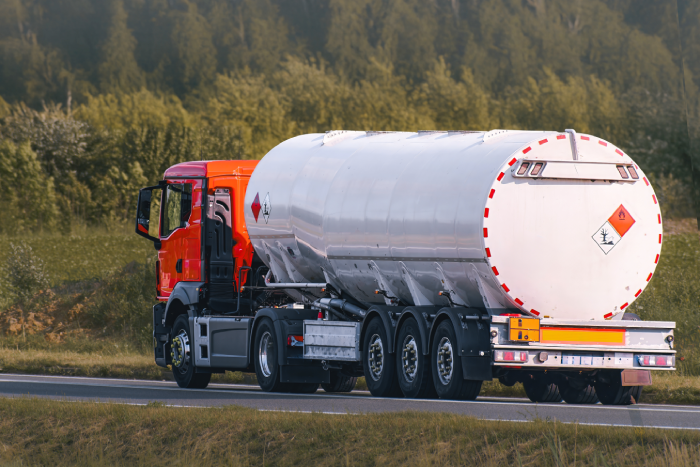
With the current shortage of pipelines in the Permian Basin, oil producers are relying increasingly on tanker trucks to transport crude oil and natural gas from West Texas and New Mexico oil fields. Tanker trucks are used to haul anything from water and sand to fuel in and out of the oilfields. This upsurge in truck traffic has led to an increase in tanker truck crashes – a particularly deadly type of accident when the trucks are carrying hazardous materials.
Any big rig accident can be deadly for occupants of other vehicles. Although tanker trucks are smaller than some tractor trailers, they can be even more dangerous in a crash when they are hauling toxic or flammable materials. When driver negligence causes a tanker truck accident, individuals nearby may be injured by exposure to toxic chemicals, even if they are not involved in the wreck.
Tanker trucks are used to transport all types of liquids, including water, as well as sand and other materials. In the Permian Basin, there is a huge demand for tanker trucks to haul crude oil out of the oilfields. A tanker truck can hold approximately 8,000 gallons of crude oil, which converts to approximately 190 barrels. At recent production rates, that means more than 500 trucks transporting oil on New Mexico and West Texas roadways from the Permian Basin oil fields every day, as stated on Freight Waves.
There are nine classes of hazardous materials large trucks can haul, as designated by the Federal Motor Carrier Safety Administration (FMCSA). These classes are:
Most tanker trucks traveling along routes in the Permian Basin are hauling gases and flammable, combustible liquids, as the area is a leading producer of oil and natural gas. Many tanker trucks are also used to haul frac sand and water to the oilfields.
The Permian Basin in New Mexico and West Texas is the home of the most productive oil fields in the world. It is also an area with some of the deadliest roads. For example, Route 285 is now known as “Death Highway” because of its increasing number of truck accident fatalities, as crude oil continues to surge. This highway, which runs through Pecos, Texas and Carlsbad, New Mexico, is one of the most dangerous roads in the country.
Although they are heavily regulated by state and federal laws, tanker trucks can and do wreck for a variety of reasons, causing serious or fatal injuries. Common causes of tanker truck crashes include:
A large commercial truck can cause considerable damage in a collision with another vehicle, simply due to its size and weight. In addition, tanker trucks may be carrying flammable cargo. A crash can cause a large fire or explosion that affects other motorists in the vicinity, even when they are not directly involved in the wreck. Exposure to toxic substances can cause serious injury to victims.
Tanker trucks are top-heavy vehicles, prone to flipping over on their sides in a crash. This can cause significant damage when the truck skids down the roadway after an accident. As these tanks are highly pressurized to store gases or liquids, a crash presents a considerable risk of explosion to people in the vicinity of the wreck.
If you have been injured or lost a loved one in an accident involving a tanker truck, it is in your best interest to speak with an experienced New Mexico and Texas trucking accident attorney as soon as possible. Call Sorey & Hoover, LLP at (903) 230-5600 for the legal help you need after a serious tanker truck crash.