
Patent Litigation
115000000
Successful outcome in a complex biotech patent infringement case
Patent Litigation
✨ Summarize
Waiting for action...
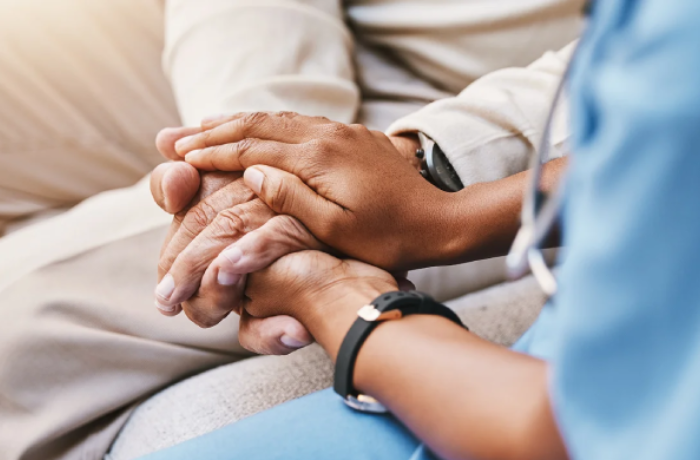
According to the National Floor Safety Institute (NFSI), falls are the second leading cause of injury-related death among adults ages 65 to 84, and the leading cause among people ages 85 and older. The Centers for Disease Control and Prevention (CDC) reports that approximately 1,800 older adults die from injuries related to falls in nursing homes every year in the U.S. Many falls are the result of nursing home negligence and could have been prevented.
If your loved one has suffered a fall in an Albuquerque nursing home and you suspect negligence, call Sorey & Hoover, LLP at (903) 230-5600 right away for a free consultation. We can tell you if you have a case against the nursing home and what damages you may be entitled to claim.
Older people living in nursing homes are generally frailer than older adults living in the community or on their own. As a result, nursing home residents may have more chronic health conditions and greater difficulty walking. Many nursing home residents have dementia and need assistance with daily living and getting around. These factors all increase the risk of falling.
The CDC reports that:
The elderly are an incredibly fragile group. They’re often weaker, slower, and more prone to injury than younger people. This, unfortunately, means that a fall, which may not impact a young adult, will certainly cause terrible injury to our older loved ones. Broken bones are incredibly common. Usually falls will break hands, wrists, and arms, as your loved one tries to catch themselves. Fractures in ankles and hips are also common, especially if the nursing home resident was unable to keep themselves from hitting the ground. Hip breaks and fractures are particularly dangerous as they may require surgery to fix. Older people have a harder time recovering from invasive surgeries, so the fall may result in a dramatic decrease in health.
Falls can also cause head injuries, such as concussions, skull fractures, or traumatic brain injury (TBI). Head injuries are dangerous for anyone, but they can be particularly severe in elderly people. This is especially true if the resident in question is on blood thinners, as that medication increases the chances of internal bleeding in the brain. If an older person falls, they should be given medical assistance immediately, which holds twice as true of they also hit their head.
Falls can result in life-altering injuries for nursing home residents, like the ones listed above. These injuries can leave a resident less mobile. Someone who could move freely and easily on their own may now be forced to use a cane, walker, or even a wheelchair. This can make a resident less active. Less activity means that residents become weaker, and thus more prone to falls.
Falling is also a traumatic event to go through. This holds especially true for older people, who are aware that just one fall could mean life-lasting disabilities or a loss in quality of life. This trauma and fear create a situation where nursing home residents may refuse to participate in activities designed to keep them healthy and make them stronger for fear that it’ll result in a fall and injury. In addition, not exercising, they become weaker and make a fall even more likely.
Injuries from falls often require surgeries to correct. The elderly have lowered immune systems and longer recovery times, which means surgeries, no matter how necessary, can pose a major health risk. Many nursing home residents come out of surgeries with complications, such as infections and blood clots. Even if the surgery goes exactly as planned and there are no resulting complications, it can be a long and painful process to recover.
During this recovery time, residents are likely to have a lowered ability to move around. They may even be stuck in bed. This further presents a problem because being unable to move freely puts people at risk for bed sores, pneumonia, and other health issues. Nursing home staff must be vigilant with recovering residents, because the resident may be left too weak to properly take care of themselves.
Finally, falls can, and often do, result in lifelong injury and chronic pain. Nursing home patients may not be left with as many years as someone who is younger, but that doesn’t mean constant pain has any less of an impact. No one wants their loved one to live out the rest of their days hurting. Which is why it’s imperative that nursing homes do everything they can to help prevent falls in the first place.
Nursing homes have a duty to keep residents safe, and this includes fall prevention. Nursing homes have certain protocols – specific rules and guidelines – that their staff must follow to prevent residents from falling and to quickly help them if they do. These protocols include:
In addition to the above, nursing homes must provide added attention to residents who have difficulty getting around and specifically help them and keep a closer watch on residents with Alzheimer’s or dementia who use walkers or wheelchairs, as they may forget they cannot walk. Nursing homes can also:
As stated by the CDC, using physical restraints does not reduce the risk of falls among nursing home residents. Restraints should not be used as a fall prevention strategy in long-term care facilities. In fact, restraints can increase the risk of fall injuries and death. Limiting a resident’s freedom of movement causes muscle weakness and a reduction of physical function.
According to the CDC:
Not every fall that occurs in a nursing home is preventable. If your loved one has suffered a fall, it does not necessarily mean you have a case against the nursing home. However, if the facility or one of its employees acted negligently or failed to take reasonable steps to prevent the fall, the nursing home may be liable for your loved one’s injuries. The following are examples of nursing home negligence that could lead to liability for injuries suffered in a fall:
Negligence in nursing home fall cases can be challenging to prove. Depending on the circumstances, this type of claim may be based on a medical malpractice theory of liability, or it may be closer to a premises liability slip and fall case. Our legal team has the knowledge, skills, and resources to investigate the incident, determine negligence and liability, and pursue a claim for compensation if nursing home negligence caused your loved one’s fall.
If your elderly loved one has sustained serious injuries from a fall in a nursing home, your best course of action is to speak with an experienced New Mexico nursing home abuse lawyer as soon as possible. Contact Sorey & Hoover, LLP today for dedicated legal assistance. We represent injured nursing home fall victims in New Mexico.