

September 1, 2026
Signs of Nursing Home Neglect in Texas: What Families Should Watch For
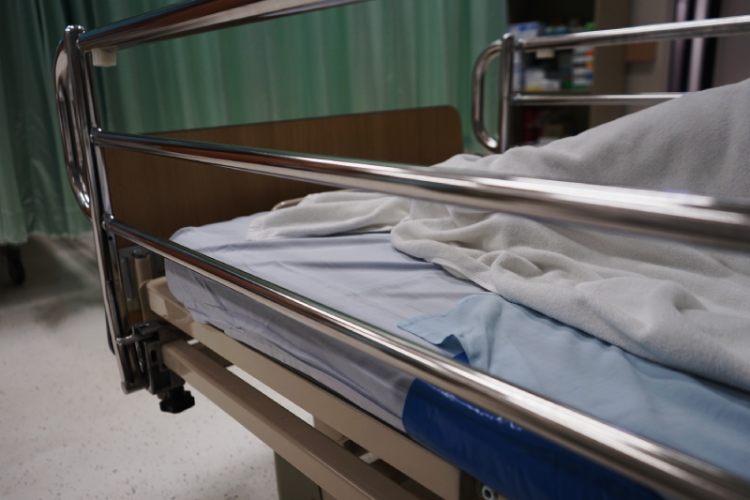
As surprising as it may be, bed rails are a significant cause of injury and
death in nursing homes. Unsafe bed rails can lead to entrapment and falls,
causing thousands of injuries every year in the U.S. All bed rails should be
used with caution, particularly among older adults, as we are warned by the U.S.
Food and Drug Administration (FDA).
Bed rails on nursing home beds have certain benefits. They give some people a
sense of security and reduce the risk of falling out of bed when a bedridden
person is being transported. They provide a handhold for getting in or out of
bed, aid in turning or repositioning, and provide access to bed controls and
personal items. But along with the benefits come risks, including:
A nursing home resident who gets lodged between the bedrail and the mattress may
not have the strength to get out again. As the older person sinks further into
this small space, the chest cavity can become compressed, making it impossible
to breathe. Most nursing home bed rail deaths are caused by asphyxiation or
cardiac arrest from the stress of being entrapped. Residents with cognitive
impairment may try to roll over the rails and off the bed. Falls from these
heights can cause fractured bones and other serious injuries.
As stated by the FDA, most patients do not require bed rails to be safely in
bed. As an alternative, nursing homes can use beds that can be raised and
lowered close to the floor to meet the needs of both nursing home staff and
resident safety. Beds should be kept in the lowest position with the wheels
locked. For patients at risk of falling out of bed, mats can be placed next to
the bed, provided, this does not create a higher accident risk. When bed rails
must be used, high-risk residents must be closely monitored. Beds with rails can
be made safer by:
If your elderly loved one has been injured or killed in a nursing home bed rail
accident, you may have a valid claim against the nursing home. Call (903) 230-5600 to schedule a free consultation with our New Mexico nursing home abuse lawyers at Sorey & Hoover, LLP. We can tell you if you have a case and what
damages you may be entitled to claim.