

September 20, 2026
What to Do After an Oilfield Accident in Texas
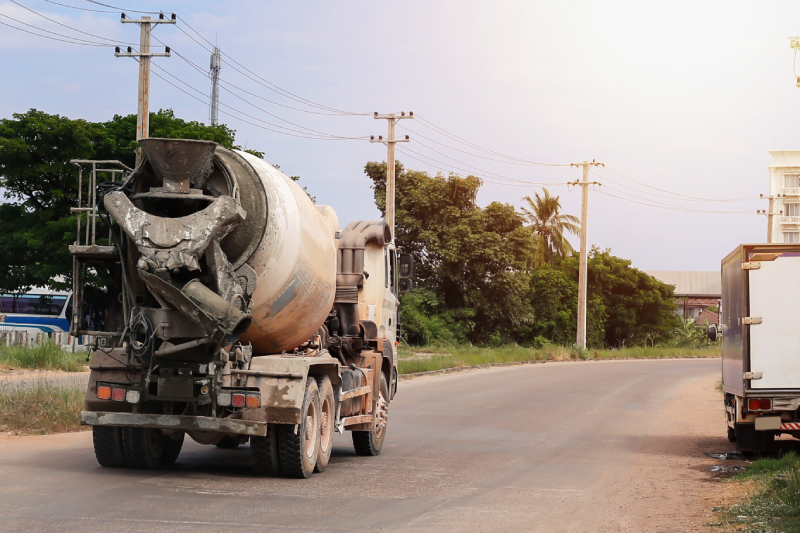
Cement trucks are a hazard on the roadways. With cement loads weighing up to
30,000 pounds, they rank among the heaviest, if not the largest, trucks. Their
top-heavy design makes them prone to rollover, particularly when fully loaded with cement. Their weight makes them difficult
to maneuver, and they require more stopping distance to avoid a crash. In a
collision with a cement truck, passenger vehicle occupants are likely to suffer
serious or fatal injuries.
All trucks pose serious danger to the cars they’re driving near. There are
countless ways that an 18-wheeler can cause a catastrophic accident. Anything
can happen, from underrides to jackknifes. Cement trucks, however, can pose an even more significant threat to motorists
than tractor trailers for several reasons.
Stability: Cement trucks are extremely unstable. A high center
of gravity and uneven weight distribution can cause the truck to roll over when
making a turn, even at very low speeds.
Maneuverability: The difficulty of maneuvering a cement truck
makes it more likely that a driver will drift out of the proper lane and have
trouble getting back into their own lane quickly.
No Zones: Cement truck drivers have large blind spots. They are
unable to see a person or vehicle directly behind, or in front of the truck.
They also can’t see anyone driving near the end of the truck on the left or
right side. This increases the likelihood of backing over a pedestrian or into
another vehicle.
Poor Training: To legally operate a cement truck, the drivers
are required to have a Class A commercial driver’s license (CDL), which requires
them to pass specific tests. However, a CDL only ensures that the driver has the
basics down. It is not a guarantee of the training or experience needed to drive
a cement truck safely, without putting others on the roadways at risk.
Speeding: Wet cement can dry inside the truck if the driver
fails to arrive at his destination quickly. Drivers are often in a hurry, which
increases the risk of a rollover or collision.
Stopping Distance: Because of their weight, cement trucks need
more time and distance to stop. This makes it difficult to avoid an accident
when traffic ahead of the cement truck comes to a stop.
Malfunctions: Cement truck brakes and axles are under extreme
stress because of the heavy loads these trucks carry. Without regular
inspections, maintenance, and repairs, equipment failure can lead to serious
accidents.
If you have been involved in a collision with a cement truck, your injuries may
be serious, which makes it important to recover full compensation for your
losses. Your best course of action is to speak with an experienced lawyer as
soon as possible. Our Texas trucking accident attorneys at Sorey & Hoover have years of experience helping truck accident
victims. Our firm provides personal, client-centered legal services, and we will
travel to meet you if you are unable to come to us after a serious cement truck
accident. Contact us today at (903) 230-5600.