


September 20, 2026
What to Do After an Oilfield Accident in Texas
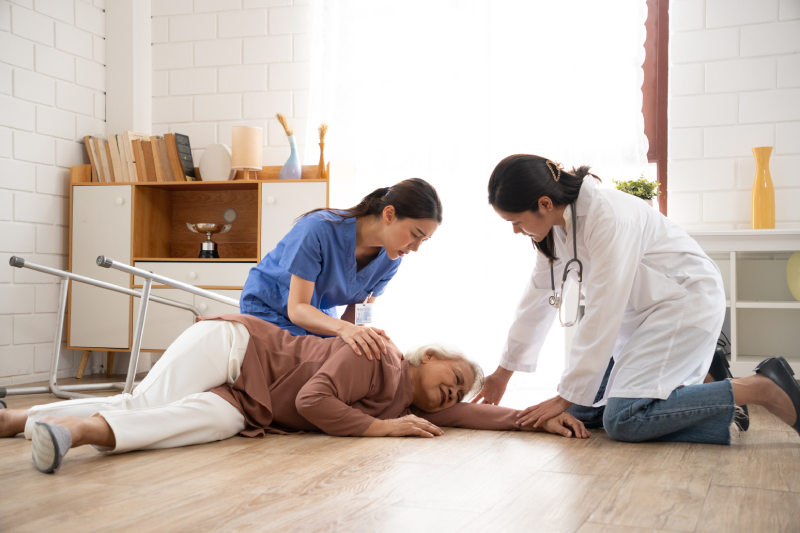
Falls are a common occurrence in nursing homes and can have serious consequences
for frail, elderly residents. Of the 1.6 million nursing home residents in the
U.S., approximately half fall in a year, and one in three fall two or more times
in a year, as reported by the federal Agency for Healthcare Research and Quality
(AHRQ). Serious injuries from falls are a major reason for lawsuits against nursing
home facilities and their staff.
Injuries related to falls can reduce quality of life, as well as a resident’s
ability to function independently. They can result in a fear of falling and
restriction of activities, cause serious injuries, and increase a resident’s risk of death. Falls are the second leading cause of injury-related death among people ages
65 to 84, and the leading cause for people age 85 or older, according to the
National Floor Safety Institute (NFSI).
Older people in nursing homes are more likely to suffer a fall due to various
intrinsic factors, including acute medical conditions, chronic diseases,
inactivity, effects of aging on gait, balance, and strength, behavioral
symptoms, and medication side effects. Although these factors cannot be entirely
eliminated, they can be managed by nursing home staff to reduce a resident’s
risk of falling. Medical management of acute conditions and chronic diseases can
be improved through appropriate evaluation and treatment, as stated by AHRQ.
Extrinsic fall risk factors in long-term care facilities involve environmental
hazards, unsafe equipment, and unsafe personal care items. Examples of such risk
factors include:
Not all falls can be prevented, but research has shown that fall rates in
long-term care facilities can be significantly reduced with appropriate
management and care.
AHRQ’s Fall Management Program addresses fall prevention for individual
residents in nursing homes with two primary approaches.
With both approaches, nursing home staff should conduct comprehensive fall
assessments, which are then used to develop individualized care plans for fall
intervention. Staff should also monitor each resident’s response and make
revisions to care plans as needed.
Long-term care facilities should inspect the personal living spaces of all
residents and the equipment they use to make them as safe as possible. This
includes residents’ rooms and bathrooms, their wheelchairs, walkers and canes,
and their feet and footwear. These inspections should be performed to evaluate:
If nursing home staff have failed in their duty, which resulted in a fall for your elderly loved one, you may have a claim for compensation. Call the Sorey Law Firm P.L.L.C. at
(903) 230-5600 to find out if you have a case and what damages you may be able
to claim.