

July 16, 2026
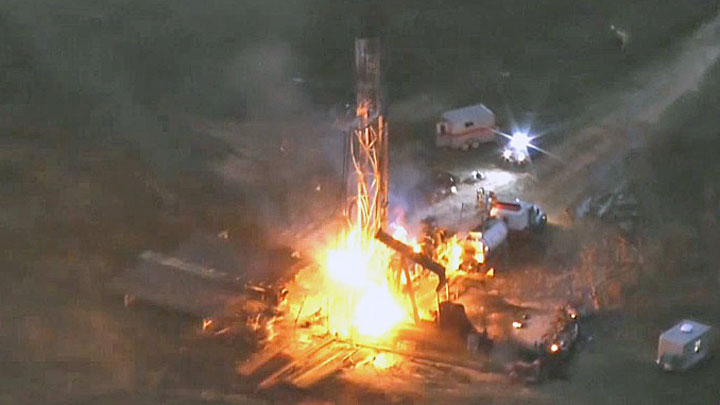
Fatal Laredo Well-Site Accident Raises Questions About Oilfield Worker Safety

The job of a truck driver is a difficult one. They are required to drive for
long periods of time, with no easy place to stop for a shower, or even to just
go to the bathroom. A trucker can regularly work 70-hour weeks, and likely won’t
see their home or family for days at a time. Taking that into consideration, is
it any wonder that our country is facing a trucker shortage? Unfortunately, that
shortage could mean our roadways are becoming far more dangerous.
The American Trucking Association (ATA) recently released a report detailing their investigation into the truck driver shortage. According to
their report, the shortage seemed to begin in 2005, when the industry was down
roughly 20,000 drivers. That number grew every year until 2008 when the
recession resulted in all trucking positions being filled. However, as the
economy stabilized, the shortage once again began to grow. In the most recent
year for which statistics are available, the industry was short by over 60,000
drivers, which is a 20% increase from the year before. And it’s clear those
numbers will continue to rise. Currently, the ATA projects that the shortage
could easily grow to 160,000 by 2028. A trucker shortage of that proportion has
some alarming implications for those of us in passenger vehicles on the road.
As invaluable as they are to our economy, trucks of all types are dangerous. The average 18-wheeler can easily weigh more than 80,000 lbs., which is up to
thirty times heavier than a typical passenger vehicle. Their size and weight
mean that when a collision occurs between a truck and a car, the car will always
lose. As the shortage continues to grow, trucking companies may begin to cut
corners in order to meet demands. Businesses operate to make a profit, and that
profit gets interrupted if they can’t get their goods to customers fast enough.
Not having enough drivers can make it incredibly difficult for these companies
to deliver products on time or keep stores stocked. In order to try and
counteract this issue, companies may begin to overload trucks. This means loading a truck so much that it goes over the legal weight limit.
A company can ship more products by doing this, but they also create a very high
risk for rollovers, as an overloaded truck will often be extremely top-heavy. It
can also make the truck more difficult to control, and the driver may not be
able to slow down fast enough to prevent a collision. Trucking companies may
also push their drivers to speed, as well as skip their legally required rest
periods, in order to fill orders faster. Skipping rest periods could leave drivers fatigued, which may lead them to dose off behind the wheel or have lowered reaction
times. Given the imposing size of delivery trucks, tired drivers are a
significant threat to motorists on many highways. In the wake of the shortage,
trucking companies may become desperate for drivers. A trucker should have a
clean driving record, should not have any DUI charges in their past, and should
be shown to be a responsible person who will take road safety seriously.
Unfortunately, a company facing a truck driver shortage may not take proper
precautions to observe these basic requirements when hiring. That means
potentially irresponsible truck drivers may end up sharing the road with
passenger vehicles. That is most certainly a recipe for disaster. Being involved
in a trucking accident can be terrifying, shocking, and confusing. After an
accident, you may not know if anyone is to blame, how to figure out what
happened, or how to hold the wrongdoer accountable for your injuries. At Sorey
& Hoover, LLP, our Texas trucking accident attorneys have years of experience helping victims recover millions of dollars in
damages after accidents. We have the necessary knowledge to fully investigate a
trucking company for negligent actions and the expertise to negotiate for full
compensation. If you or a loved one were involved in a truck accident that
wasn’t your fault, call us at (903) 230-5600. We want to help.