


October 19, 2026
Texas Oilfield Accident Settlements: What Determines Compensation?
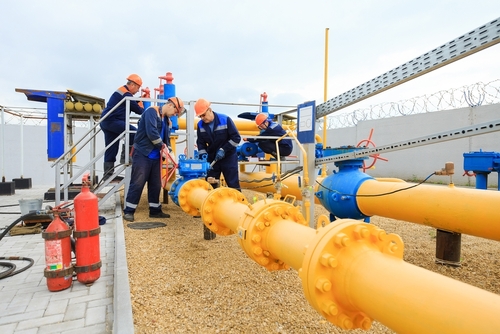
A pipeline worker injured in Texas may have workers’ compensation benefits, a civil claim against a negligent third party, or both, depending on the employer’s coverage and who caused the injury. Multiple contractors may have shared safety responsibilities.
If you were hurt while working on or near a pipeline, call Sorey & Hoover at (903) 230-5600 to discuss your options.
The first question is whether the employer subscribes to Texas workers’ compensation. Benefits may cover medical care and a portion of lost wages for a covered employee. A nonsubscribing employer may face a negligence suit, while a worker may also have claims against a separate operator, contractor, equipment maker, or motor carrier if its conduct contributed to the accident.
A Texas pipeline accident injury claim depends on proof of duty, breach, causation, and damages. The investigation should identify each company’s role and avoid assuming that the employer, site operator, or contractor is automatically responsible.
Pipeline projects can involve owners, operators, construction contractors, excavation crews, maintenance providers, and equipment suppliers. Contracts may allocate tasks, but the way work was actually directed and performed can also matter. Evidence about who controlled the work area, communicated hazards, and coordinated crews may help establish duties and responsibility.
A vehicle crash involving a work truck may raise a separate claim against a driver or carrier. Our oil and gas truck accidents page addresses that type of incident, while trucking company negligence describes company-level issues that may need to be investigated.
Safety rules can help investigators understand what precautions applied to a particular job. OSHA’s oil and gas safety requirements address hazards in extraction work, while the Texas Railroad Commission’s pipeline safety information explains the state regulator’s pipeline-safety role. Which standards apply depends on the operation, equipment, and work being performed.
Pipeline work may fall under different state or federal oversight depending on the facility, the material transported, and whether the line is intrastate or interstate. Safety records can help identify the operator and rules in play, but the injury investigation still must connect a particular company’s conduct to the worker’s harm.
A regulatory violation may be relevant evidence, but it does not automatically prove liability or guarantee compensation. The case still requires evidence connecting a specific act or omission to the injury. Records should be assessed in context, including training, supervision, procedures, and prior hazard reports.
An employer or contractor may have controlled the work area, assigned tasks, provided safety equipment, or set procedures. Investigators can review job-safety analyses, toolbox talks, permits, lockout procedures, hazard communications, and reports of prior problems. The existence and scope of any legal duty depend on the parties’ roles and the facts.
A failed valve, damaged pipe, defective tool, or malfunctioning protective device may point to a product or maintenance issue. Preserve the equipment and document its condition before repair or disposal. Inspection records, service history, manufacturer instructions, and expert analysis may help determine whether a defect or maintenance failure contributed.
A contractor’s training, supervision, and safety practices may be relevant when the contractor controlled the task or created a hazard. If a commercial driver caused the injury, dispatch records, driver qualification materials, vehicle inspections, and electronic data may help reconstruct what happened. FMCSA regulations can identify federal motor-carrier rules that apply to a covered carrier, but applicability should be verified.
Photograph the area, equipment, warning signs, protective gear, and visible injuries when it is safe to do so. Keep incident paperwork, medical records, work schedules, pay records, and communications with supervisors or contractors. Identify witnesses and write down what each person saw before memories fade.
Companies may control camera footage, electronic logs, maintenance records, and internal safety reports. A prompt request to preserve these materials can be important. Avoid altering damaged equipment or posting detailed accounts online before the evidence is reviewed.
A claim may include medical expenses, rehabilitation, wage loss, and, when supported, reduced future earning capacity. Pain, physical limitations, and the effect on ordinary activities may also be considered under applicable law. Bills, physician records, work restrictions, and a clear treatment history help document the impact.
If an injury is severe, future treatment needs may not be known at the outset. A settlement should not be evaluated by a formula or a comparison to another worker’s case. It depends on liability evidence, prognosis, insurance or other recovery sources, and any benefits or liens.
Different deadlines may apply to report an on-the-job injury, seek workers’ compensation benefits, file a civil claim, or provide notice to a government entity. These periods can run on different schedules and exceptions may apply. Because missing a deadline can affect rights, confirm the applicable rules promptly rather than relying on a general online timeline.
We can investigate how the pipeline work was organized, identify contractors and operators, preserve site records, and evaluate potential workers’ compensation and third-party claims. Our personal injury representation includes serious worksite injuries. Call (903) 230-5600 to reach the Sorey & Hoover legal team or contact us today.
Depending on employer coverage and the facts, a worker may seek workers’ compensation benefits or pursue a claim against a negligent third party. The applicable route and deadlines should be evaluated for the specific job and injury.
Worksite photographs, incident reports, safety plans, training and inspection records, contracts, medical records, wage information, and witness accounts can be important. Preserve electronic records and equipment before they are changed or discarded.
Promptly after addressing urgent medical needs. Early guidance can help preserve evidence and identify potentially responsible companies while the worksite and records are still available.