

October 19, 2026
Texas Oilfield Accident Settlements: What Determines Compensation?
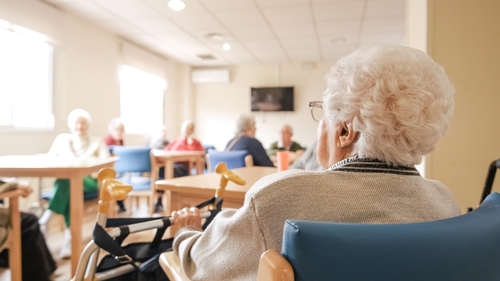
New Mexico and federal rules require nursing homes to protect residents’ safety, dignity, and right to be free from abuse and neglect. Families who see warning signs can report concerns, preserve records, and explore a civil claim when the facts support one. If you are concerned about a loved one’s care, call Sorey & Hoover at (903) 230-5600 to discuss possible next steps.
New Mexico’s long-term-care regulations require licensed facilities to respect resident rights, maintain care plans, and address health and safety needs. Federal rules also protect residents of Medicare- and Medicaid-certified nursing homes, including the right to be free from abuse, neglect, exploitation, and improper restraint. The exact standards can depend on the facility’s license, services, and federal certification.
Rights under these rules include dignity, privacy, participation in care decisions, freedom to voice complaints, and access to needed care. The CMS nursing home guidance explains federal oversight and resident protections; state regulations add requirements for facilities operating in New Mexico.
Warning signs may include unexplained injuries, repeated falls, pressure injuries, dehydration, sudden weight loss, poor hygiene, medication problems, untreated pain, or a change in mood or behavior. A resident may also become unusually fearful around a caregiver or report being ignored, threatened, or restrained.
One sign alone may not prove abuse. A change can also have a medical cause, so families should raise concerns with the resident’s clinician and ask the facility to explain what happened. If there is immediate danger, seek emergency help and arrange for the resident’s safety first.
Ask when the change was first noticed, which staff responded, and whether the resident was examined or transferred for care. A clear timeline can help the family compare symptoms with facility notes and identify delays. Keep a record of each conversation, including the date, the person spoken with, and any promised follow-up.
Families can report concerns to facility management, the state agency that licenses or surveys nursing homes, or the Long-Term Care Ombudsman. The ombudsman can advocate for residents, help address complaints, and explain available options. The New Mexico’s Long-Term Care Ombudsman Program provides statewide resident advocacy and reporting information.
For concerns about facility licensing or regulatory violations, the New Mexico Health Care Authority’s Division of Health Improvement handles oversight and complaints. The New Mexico Long-Term Care Ombudsman page points families to the state health authority for licensing and regulatory questions. Reporting a concern is separate from filing a civil claim, and it does not replace urgent medical care. A report may prompt a facility or agency response, but families should continue documenting the resident’s condition and care. Keep any confirmation or reference details provided by the agency.
Request copies of the resident’s care plan, assessments, medication administration records, treatment notes, hospital records, and relevant communications. Compare the plan’s instructions with the care actually provided. Changes in condition, missed treatments, or delayed responses may help show what the facility knew and how it responded.
Ask the facility to preserve incident reports, staffing schedules, call-light logs, fall documentation, transfer records, investigation materials, and any available video. Families may not be entitled to every internal record immediately, but identifying the material early can help counsel request it through the proper process.
Photograph visible injuries or unsafe conditions when appropriate, noting the date and circumstances. Keep a timeline of visits, calls, symptoms, and explanations from staff. Record the names and contact details of witnesses and preserve messages or letters. Avoid altering original files or sharing sensitive details publicly.
A civil claim may be based on negligence, a failure to follow required care, abuse, or another legal theory supported by the facts. The claimant generally must establish a duty, a breach, a connection between the breach and the harm, and legally recognized damages. A violation of a regulation can be relevant, but it does not automatically prove that the facility caused a particular injury.
The resident’s health history, mobility, cognitive status, care plan, and prior symptoms may all matter. Medical review can help distinguish an expected decline from harm caused or worsened by inadequate care. The claim must be tied to what happened to this resident, rather than relying on general allegations about a facility. Damages may include documented medical expenses and other losses recognized by law. The resident’s prognosis, need for future care, and effect on daily life can also be relevant, but each must be supported by evidence.
Responsibility may extend beyond an individual caregiver. The facility operator, management company, staffing agency, or corporate owner may be relevant if its policies, hiring, training, supervision, staffing, or resource decisions contributed to the harm. Which entities can be held responsible depends on their legal roles and the evidence.
A facility’s name on a building does not necessarily identify every responsible company. Admission contracts, billing records, corporate filings, staffing arrangements, and management agreements can help clarify who operated the facility and made decisions.
Do not wait to ask about deadlines. New Mexico personal-injury claims often involve a three-year limitations period, but the start date and exceptions can vary. Claims involving medical malpractice, a public facility, a minor resident, or a death may follow different rules. A claim involving a government entity may require written notice within a much shorter period, potentially 90 days, and a separate filing deadline. The proper recipient and the date the notice period begins depend on the entity and facts. Identify the facility’s owner and operator before calculating any deadline.
Admission paperwork may contain arbitration terms. Whether an agreement applies or can be enforced depends on its wording, who signed it, the resident’s capacity and authority of any representative, and the circumstances. Have a lawyer review the agreement before signing or relying on it.
We help families investigate concerns, request and organize care records, identify potential responsible parties, and evaluate whether a civil claim may be available. Our personal injury representation includes nursing home abuse matters.
Learn about our New Mexico nursing home abuse work or nursing home abuse representation, and call (903) 230-5600 to reach the Sorey & Hoover legal team.
State and federal rules protect residents’ rights to safe care, dignity, privacy, and freedom from abuse, neglect, exploitation, and improper restraint. A civil claim requires a fact-specific review of the care, harm, and responsible parties.
Care plans, medical and medication records, incident reports, staffing information, photographs, witness accounts, and family notes may help explain what happened. Preserve original records and make a dated timeline of concerns.
Seek help promptly when you suspect neglect or abuse, especially if the resident remains at risk or evidence may be lost. A lawyer can review reporting options, preserve records, and assess deadlines, but cannot guarantee a particular outcome.