


September 10, 2026
Catastrophic Truck Accident Injuries in Texas: What Victims Need to Know
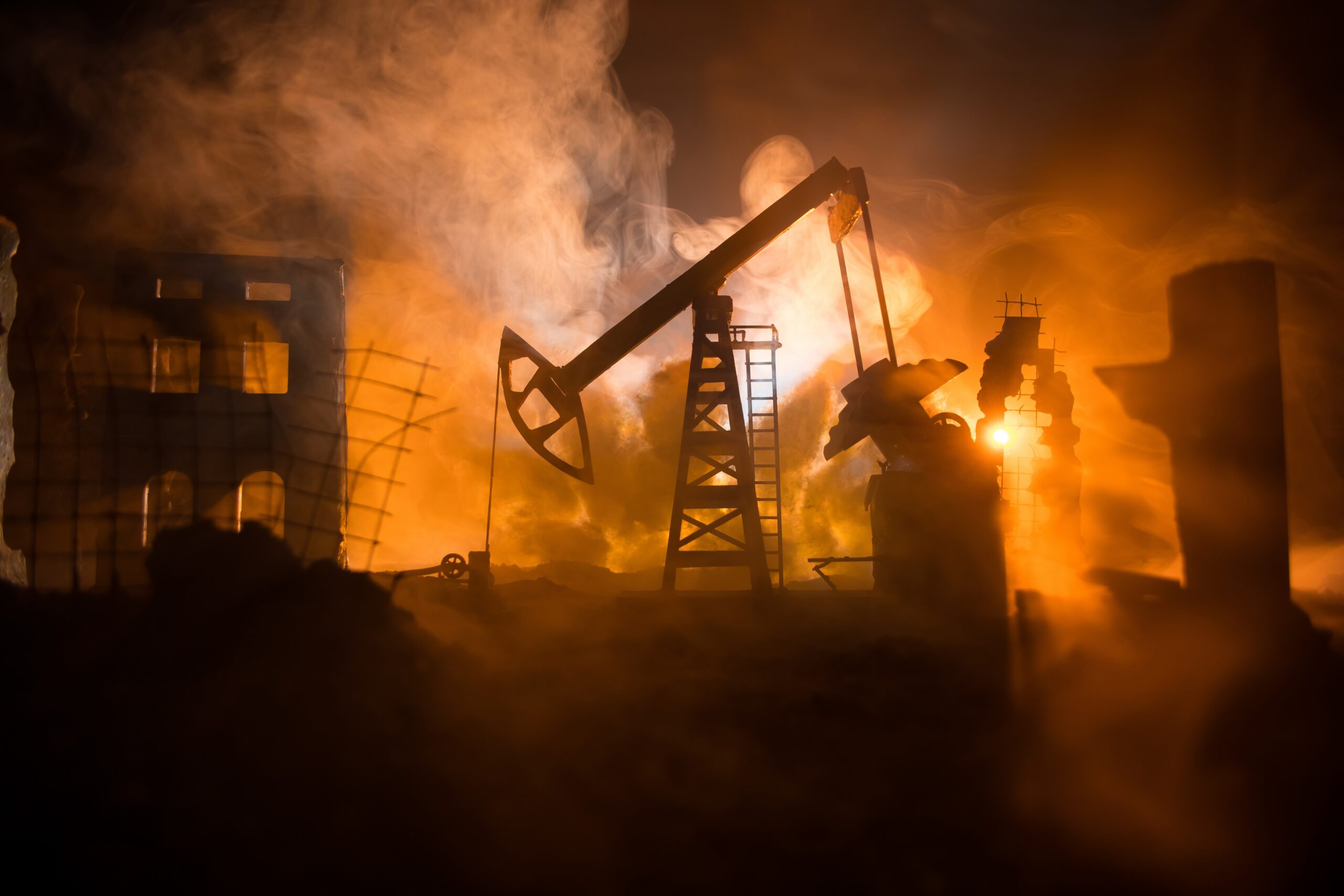
Oilfield explosions rarely have a single, obvious cause or a single responsible party. They typically involve a chain of events, multiple companies operating on the same site, and equipment that passed through several hands before the blast occurred.
Liability in a Texas oilfield explosion depends on who controlled what, who owed what duties, how the explosion actually happened, and what legal framework governs each potential claim. The answer isn’t always the first company that comes to mind.
Before liability can be assessed, the cause of the explosion has to be understood. Oilfield blasts can originate from an uncontrolled gas or vapor release that finds an ignition source, a pressure-control failure in a wellhead, separator, or vessel, hot work conducted near flammable materials, electrical equipment that generates a spark in a classified hazardous area, or a combination of factors that individually seemed manageable.
OSHA’s oil and gas extraction hazards documentation identifies the range of conditions that can lead to fires and explosions at these sites. The specific ignition source and fuel source matter because they point toward which equipment, which company, and which decisions were involved.
Technical reconstruction by engineers and safety experts is often necessary to trace the explosion sequence accurately. That work informs every liability question that follows.
Texas oilfield workers injured in an explosion may have access to workers’ compensation benefits, a third-party negligence claim, or both, depending on the facts of their situation. These are legally distinct paths that require separate analysis.
Texas does not require most private employers to carry workers’ compensation insurance. Employers who subscribe to the system receive significant legal protections under the exclusive remedy doctrine. Employers who don’t subscribe, called nonsubscribers, lose certain defenses and may face broader civil liability.
The interaction between workers’ compensation and third-party claims, including subrogation and how benefits affect any recovery, requires attorney review based on the specific facts of the case.
Whether and how an injured worker can bring a claim against their direct employer depends on that employer’s workers’ compensation status, the type of harm involved, and the specific facts. In cases involving a worker’s death, Texas law has separate provisions related to gross negligence that may be relevant regardless of workers’ compensation coverage.
These are not issues that can be resolved with a general answer. They require a case-specific review by a Texas attorney familiar with oilfield injury law.
The operator of an oil and gas lease has broad responsibility for what happens on that site. When an explosion occurs, the operator’s safety practices, permitting, contractor coordination, and response protocols are all subject to scrutiny.
Service companies, drilling contractors, and other vendors working the site also have independent safety obligations to their own employees and, in some circumstances, to workers employed by others. A contractor who performed unsafe hot work, failed to gas-test before ignition sources were introduced, or bypassed safety controls may bear responsibility regardless of who their workers were employed by.
Control is a key concept. Who had authority over the work being performed? Who was responsible for the conditions that led to the blast? The answers aren’t always obvious and often require reviewing contracts, job-safety documentation, and communications between companies.
Oilfield explosions sometimes originate in failed equipment: a faulty valve, a defective pressure relief system, a malfunctioning gas detector, or electrical equipment not rated for the hazardous location where it was installed.
When defective design, manufacturing defects, or inadequate warnings contribute to an explosion, the company that made or supplied the equipment may face product liability claims. Maintenance contractors who serviced the equipment may also be implicated depending on what inspections or repairs were performed and when.
Preserving the failed component is critical. Equipment that is repaired, replaced, or disposed of after an explosion may be impossible to analyze later.
Evidence from an oilfield explosion begins to disappear almost immediately. The site gets secured, equipment gets evaluated for repair or replacement, and companies begin their own internal investigations.
Document everything you can while it’s available. Photographs of the scene, the damaged equipment, and any visible hazards are a starting point. Note the condition and location of gas monitors, safety tags, pressure gauges, and any valves or fittings involved in the incident.
Request copies of the job-safety analysis or job-hazard analysis for the work being performed at the time of the blast, the permit-to-work documentation, maintenance and inspection logs for the relevant equipment, gas-testing records, and any training records for the workers involved. Contract documents between companies on the site establish who was responsible for what.
Identify every witness by name and employer. In multi-contractor oilfield environments, workers often don’t know which company employs the people working beside them. Finding that information while it’s still accessible matters.
OSHA investigates serious oilfield injuries and fatalities and may issue citations for violations of its oil and gas extraction standards. Those findings can be significant, but they don’t resolve the civil liability question.
An OSHA citation establishes that an agency found a regulatory violation. It may be relevant evidence in a civil case. It does not, by itself, prove that the violation caused the explosion or that any particular company is legally liable under Texas negligence law.
Conversely, the absence of an OSHA citation doesn’t mean no one was negligent. OSHA investigations have their own scope and focus, and civil claims can succeed on grounds that OSHA didn’t address or didn’t reach.
Oilfield explosions cause some of the most severe injuries seen in any industrial accident: burns covering large areas of the body, blast injuries to the lungs and eardrums, traumatic amputations, crush injuries from being thrown or struck, and traumatic brain injuries.
Thorough medical documentation from the first hours forward is essential. Keep records of every appointment, procedure, referral, and prescription. Document restrictions your physicians impose and how those restrictions affect your ability to work.
For serious injuries, the long-term picture is often more significant than the immediate costs. Future surgeries, rehabilitation, prosthetics, home modifications, attendant care, and lost earning capacity are all elements of a complete catastrophic injury claim. Vocational experts and life-care planners are often needed to project those costs accurately.
When a worker is killed in an explosion, the family’s losses include financial support, services the deceased provided, and the profound personal loss of a spouse, parent, or child. Texas personal injury representation extends to wrongful death cases where families are left to navigate both grief and financial uncertainty.
Texas has a general two-year statute of limitations for personal injury claims, but the specific deadline in any oilfield explosion case depends on the type of claim, who the defendants are, whether a death occurred, and how workers’ compensation procedures intersect with the civil claim. Some circumstances shorten the window; others involve notice requirements that must be met even earlier.
Multi-company oilfield sites complicate defendant identification. A company that isn’t identified and included in a claim before the limitations period runs may be permanently off the table.
Preservation letters should go out to every potentially responsible company as early as possible. Evidence that would have been retained on notice may be gone without it.
Oilfield explosion cases require technical investigation, an understanding of how Texas workers’ compensation interacts with third-party liability, and experience identifying all of the companies whose conduct contributed to the blast. These aren’t cases where a surface-level review is enough.
At Sorey & Hoover, we handle oil and gas field accident claims for injured workers and families in East Texas and beyond. Our work includes catastrophic injury claims involving burns, amputations, and permanent disability, as well as wrongful death cases when an oilfield explosion takes a life.
To have us investigate your situation, contact Sorey & Hoover or call (903) 230-5600. Consultations are confidential and there is no obligation.
It depends. If your employer subscribes to the Texas workers’ compensation system, the exclusive remedy doctrine generally limits your ability to bring a separate negligence claim against them. If your employer is a nonsubscriber, the legal landscape is different. In cases involving a worker’s death, gross negligence claims against an employer may be available under Texas law regardless of workers’ compensation status. These questions require individualized review by a Texas attorney.
Yes, depending on the facts. A site operator, drilling contractor, service company, or other entity that controlled the work, the equipment, or the site conditions may bear responsibility for an explosion. Control, contracts, conduct, and causation all factor into the analysis. Multiple parties can be liable, and identifying each of them requires an investigation into the roles and relationships of everyone present on the site.
Preserve the damaged equipment and any failed components before they are repaired or replaced. Photograph the scene, safety systems, and any equipment involved. Secure the job-safety analysis, permit-to-work documents, gas-monitor records, maintenance logs, and inspection records for the relevant equipment. Identify every witness by name and employer while that information is still accessible. A legal hold letter should go to every potentially responsible company as soon as possible.
Not automatically. An OSHA citation is a regulatory finding that a safety standard was violated. It can be relevant evidence in a civil case, but it doesn’t establish causation or legal liability under Texas negligence law on its own. Civil claims can also succeed on grounds that OSHA didn’t cite or didn’t investigate, and the absence of a citation doesn’t mean no party acted negligently.